Layered Necklace Design
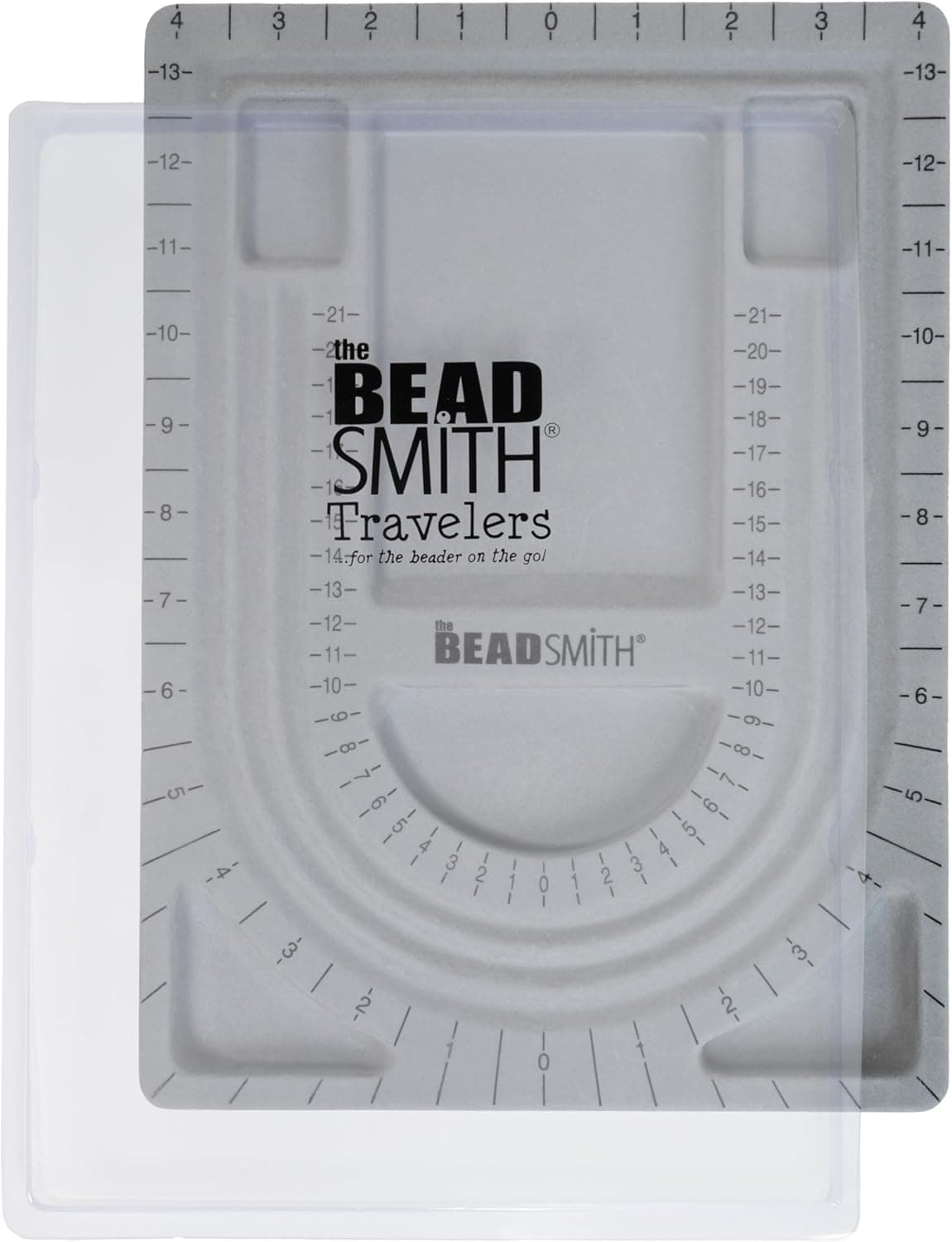
Layered necklaces, several strands worn together at staggered lengths, are one of the most durable trends in jewelry because they solve a real styling problem: one necklace can look sparse, while a deliberate stack fills a neckline with rhythm and personality. For a maker, layering is also a commercial gift, since it turns single necklaces into sets and gives customers a reason to buy three pieces instead of one. Designing layers that hang cleanly rather than tangling into a knot, though, depends on a few measurable rules.
Length tiers are the skeleton of any stack. The traditional ladder runs roughly: choker at 14 to 16 inches sitting at the base of the neck, princess at 17 to 19 inches at or just below the collarbone, matinee at 20 to 24 inches reaching the upper chest, and longer opera lengths below that. A reliable stack picks two or three rungs with at least two inches of separation between adjacent strands; closer than that and the strands overlap and fight. A classic three-layer set might run 16, 18, and 21 inches. Necklines change the math, since a strand that clears a crew neck drapes differently over a V-neck, so when designing for yourself, measure against the clothes you actually wear, and when selling, state lengths plainly and offer extender chains, which let buyers tune the gaps.
Visual weight should taper as the layers descend, or at least stay deliberate. The most dependable formula places the finest, lightest element on top, a delicate chain or tiny beads at the shortest length, and increases presence downward, with the boldest element, a pendant, a focal bead, a chunky strand, at the longest position. This mirrors how the eye reads a neckline and keeps the stack from looking top-heavy. Inverting the rule can work as a statement, but equal weight at every level almost never does, because the strands compete. Within the stack, repeat at least one unifying element, a shared metal tone, a repeated stone, an echoed color, so the set reads as an outfit rather than a coincidence.
Mixing materials is where layering gets fun. Chain plus beads is the workhorse combination: a plain chain layer gives the eye a rest between beaded strands and adds movement. Pearls against snake chain, matte stone against faceted glass, leather cord under fine metal, all work on the contrast principle, keeping adjacent layers different enough in texture that each stays legible. Pendants deserve special care, since two pendants at similar lengths will magnetize toward each other and collide; give a pendant its own tier with clear air above and below. If you want multiple focal points, offset them horizontally by using an asymmetric design on one strand, or commit to one focal and let the other layers support it.
Tangling is the practical enemy, and it has practical answers. Strands of noticeably different weights tangle less because they swing at different rates; two featherweight chains at similar lengths are the worst offenders. Multi-strand clasps and layering clasps, which gather several strands into one closure, hold spacing fixed and end the twisting problem at its source, at some cost in flexibility. A small connector bar behind the neck does the same job invisibly. For pieces you sell as sets, consider joining strands permanently to a single clasp, and for your own wardrobe, fasten layers one at a time in length order and store them hanging, never pooled together in a dish, which is where necklaces go to braid themselves.
Designing intentional sets is the natural next step. Build around a story, one palette, one star stone, one mood, and produce a short, a middle, and a long piece that each stand alone but visibly belong together. Photograph them worn as a stack and priced as a bundle, and you have effectively designed one product with three price points. Layering also rescues older inventory: an orphaned simple necklace often becomes desirable again as the quiet top layer above a bolder new piece. Once you start thinking in stacks rather than single strands, both your designs and your customers' baskets tend to grow.