Types of Beads: Materials, Shapes and What Each Is Best For
Published How we research
Beads are sorted in two main ways: by what they are made of and by their shape. Material affects weight, shine, durability and how a bead feels against skin, while shape affects how beads sit next to each other and how a strand drapes. Knowing the common categories makes shopping easier, because product listings often use these terms freely. This guide explains the main material types, the most common shapes, how bead sizes and holes are described, and how to match beads to a project.
Products from this article
The highest-scoring picks from the buying guides this article links to. Scores are our editorial assessment, not customer ratings.
As an Amazon Associate we earn from qualifying purchases. This does not change our picks. Affiliate disclosure
+ 72 colors is one of the widest palettes among glass bead kits
From our guide: Best Glass Beads for Jewelry Making
+ Five named stones make it clear exactly what you are getting
From our guide: Best Gemstone Beads for Jewelry Making
+ Miyuki rounds are known for uniform size, ideal for tight stitches
From our guide: Best Seed Beads for Beading Projects
+ Removable compartments let you carry bead colors separately
From our guide: Best Bead Organizers to Sort and Store Your Collection
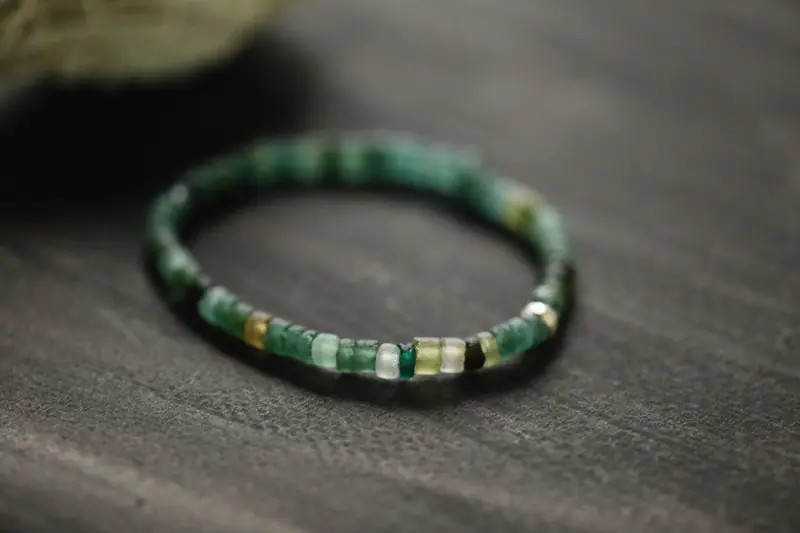
Beads grouped by material
Glass beads are among the most versatile. They come in smooth, faceted, frosted and pressed forms, in nearly every color, and range from tiny seed beads to larger decorative pieces. They tend to be durable under normal wear and easy to find, though they can chip if dropped on a hard surface.
Gemstone beads are cut from natural stone such as quartz, agate or jasper, and each strand shows natural variation in color and pattern. They are heavier than glass. Crystal beads, made from precisely cut glass, have extra sparkle. Wood, acrylic, resin, clay, metal, shell and pearl beads each add their own look and weight, and many makers mix materials in one design.
Shell, bone and horn beads are natural materials that have been used in jewelry for a very long time, and they bring an earthy, organic feel. Metal beads, in brass, copper, silver tone or stainless finishes, work well as spacers and accents. Pearls can be natural, cultured or imitation, and the label on a listing usually tells you which one you are buying.
Seed beads and other tiny beads
Seed beads are very small, usually round, glass beads used for weaving, embroidery, loom work and stringing delicate designs. They are labeled with aught sizes, such as 11/0 or 8/0, where a larger number before the slash means a smaller bead. Cylinder beads are a related type with straight walls and large holes, making them popular for even, flat bead weaving.
Bugle beads are long thin tubes, and tila or other shaped beads have flat sides and two holes for geometric patterns. If you are new to seed beads, our seed bead size chart explains how the numbers work and which size suits which thread or wire.
Common bead shapes
Round beads are the standard shape and are measured by diameter in millimeters. Rondelles are flat, wheel-like beads often used as spacers or accents. Bicones have two pointed faces that catch light, and are common in crystal and glass. Tubes and bugle beads are cylindrical, while discs and heishi beads are thin and flat and stack neatly.
Teardrop beads hang nicely in earrings and pendants, and oval, cube and barrel beads add variety to a strand. Faceted beads have flat cut surfaces that reflect light. Mixing a few shapes in one design keeps the eye moving, while sticking to one shape can feel clean and modern.
Specialty and decorative beads
Lampwork beads are made by hand from melted glass, often with swirls or raised patterns, and are prized as focal pieces. Letter beads spell names and words, and charm beads have large holes for bracelets. Spacer beads are small metal or glass pieces used between larger beads to add separation or detail, and bead caps frame the ends of larger beads.
Polymer clay beads, including heishi, offer a lightweight, colorful option for stackable bracelets. Resin and acrylic beads are light, which suits large statement designs or projects for kids. Each of these brings its own style, so choose them to support the feel you want.
Hole size and drilling
The hole matters as much as the bead itself. Hole size determines what you can thread through the bead, from fine thread to thick leather cord. Many gemstone beads have tiny holes, while pony beads have large ones. Check the listed hole size before buying if you plan to use thicker cord or wire.
Drilling style also varies. Most beads are drilled through the center, while some are drilled across the top for pendants, or half-drilled for use with pins. A bead reamer can enlarge a small hole slightly, but forcing it can crack delicate beads, so take care and go slowly.
How to pick beads for a project
Start with the finished look and the use. Bracelets and necklaces that sit against the skin benefit from smooth, comfortable beads. Earrings need to be lightweight, so acrylic, wood or small glass beads are good choices. Heavier gemstone strands are fine for necklaces as long as the stringing material is strong enough.
Consider care as well. Natural stone and pearls can be sensitive to chemicals and moisture, while glass and metal beads handle everyday wear well. If you are buying for a design that has to match, buy a little extra from the same lot, because colors can vary slightly between batches.
Think about how the beads will be strung, too. Beads with large holes suit thick cord and leather, while fine holes need thin wire or thread. If you plan to wear a piece daily, choose beads with smooth finishes that will not catch on clothing. For kids' projects, pick larger, sturdy beads that are easy to handle and age appropriate.
Tips for buying and storing beads
Buy in strands when you want matching beads and in packs when you need small quantities of different colors. Sort beads by type and size in labeled containers, and keep fragile beads such as pearls and crystal in padded compartments. A bead organizer with small dividers makes it easy to find what you need.
Keep a few sample beads from each purchase in a labeled tray so you can compare future orders. Over time, a well-organized collection will inspire new ideas and save you from rebuying what you already own.
If you are just starting out, a small mixed assortment is a good way to learn which materials and shapes you enjoy working with before you commit to large quantities of any one type.
Popular right now
- Seed Bead Size ChartArticle
- Choosing Beading WireArticle
- Best Jewelry Making Travel Cases for Crafting AnywhereBuying guide
- Best Bead Reamers for Enlarging and Smoothing Bead HolesBuying guide
- Best Bead Spinners for Fast Seed Bead StringingBuying guide
- Best Crimp Beads and Crimp Tubes for Secure BeadingBuying guide
Based on the last 28 days of search and visitor data.