Bead Sizes Explained
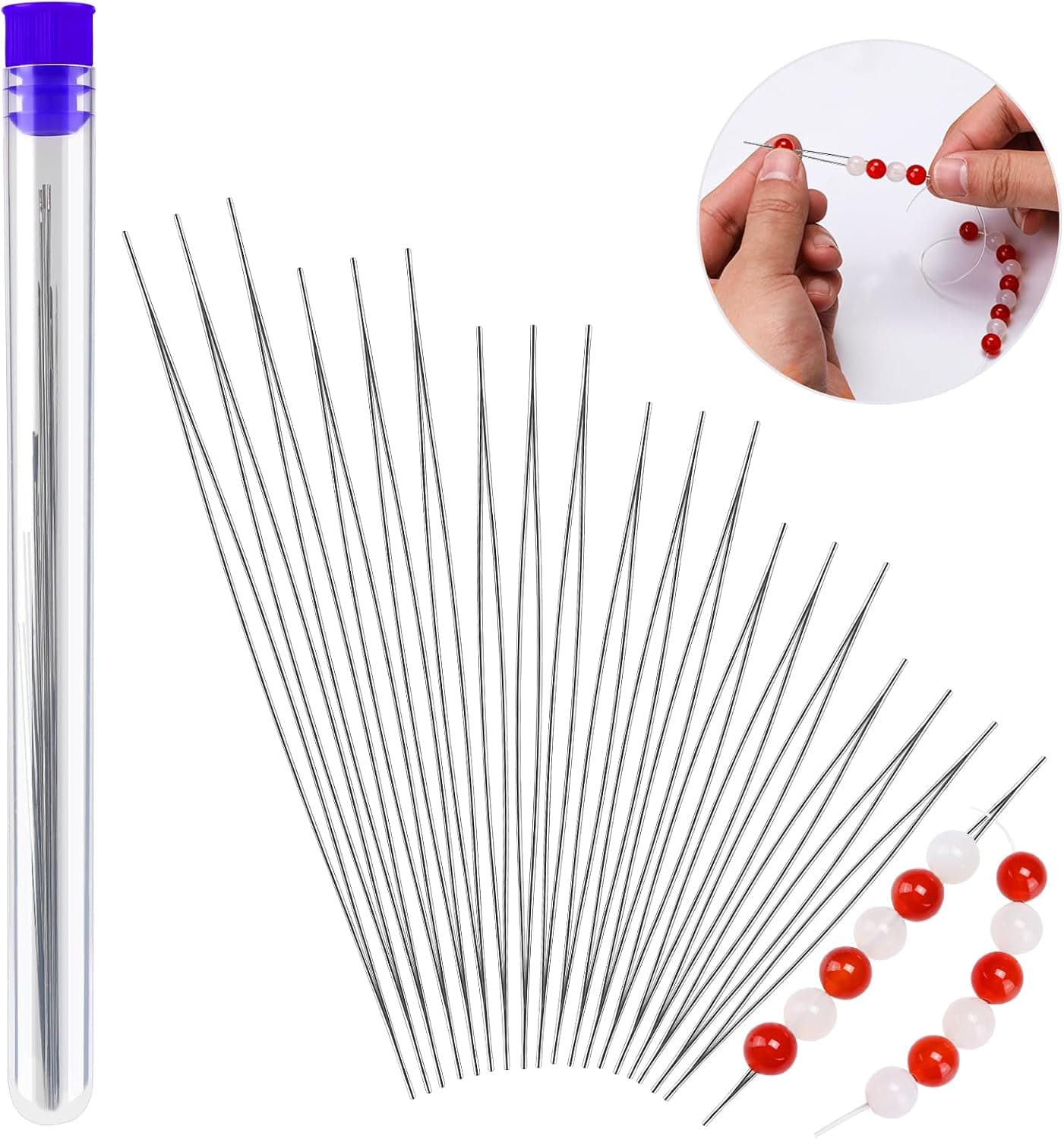
Bead sizes are given in millimeters: 4mm is about a peppercorn, 6mm a pencil eraser, 8mm a pea, 10mm a chickpea, and 12mm and up read as statement beads. A seven-inch bracelet takes roughly 30 beads at 6mm, 22 at 8mm, or 18 at 10mm. Always check the hole size too, because the smallest hole in a design decides the stringing material for the whole piece. Bead sizes are stated in millimeters, and until you have handled a lot of beads, those numbers are hard to picture. A quick mental anchor helps: a 4mm bead is about the size of a peppercorn, 6mm matches a standard pencil eraser in diameter, 8mm is close to a pea, 10mm approaches a chickpea, and 12mm and up read as statement beads. The difference between adjacent sizes sounds trivial on paper, but on the wrist it changes the entire character of a piece. A 6mm bracelet feels delicate and office-friendly, while the same design in 10mm becomes bold and casual. Ordering online without this intuition is how makers end up surprised by a bag of tiny dots or giant marbles.
How many beads you need: the count math
Size drives quantity, and quantity drives budget, so learn the basic counts. Divide the length of your design in millimeters by the bead diameter to estimate how many beads you need. A seven-inch bracelet is about 178mm, which means roughly 30 beads at 6mm, 22 at 8mm, or 18 at 10mm, minus a little for the clasp assembly. An eighteen-inch necklace at 8mm needs around 57 beads, which usually means two standard 15 or 16 inch strands. Gemstones are typically sold on those strands, and knowing that one strand of 8mm rounds holds about 46 to 48 beads lets you calculate whether a project needs one strand or two before you check out.
Hole size: the hidden dimension
Hole size is the hidden dimension that matters as much as the outer diameter. Most gemstone beads carry holes from 0.8mm to 1mm, which accepts common beading wire but not doubled elastic or leather cord. Metal beads and many glass beads run larger. Pearls are the troublemakers, often drilled at 0.5mm or less, demanding fine wire or silk thread. Large-hole beads made for thick cords have holes of 2mm or more. When a design mixes materials, the smallest hole in the lineup dictates the stringing material for everything, so check holes before falling in love with a combination. A set of bead reamers can widen a stubborn pearl hole, but only slightly and only with patience.
Using size for proportion and design
Proportion is where size knowledge becomes design skill. A classic pleasing structure uses a focal bead flanked by progressively smaller neighbors, for example a 12mm center stepping to 8mm and then 6mm. Uniform strands of a single size read as clean and modern. Alternating two sizes, such as 8mm and 4mm, creates rhythm and stretches expensive beads further, since the small spacers cost little. Also consider the wearer: small wrists are overwhelmed by 12mm beads, and long necklaces can carry bigger beads than chokers because they sit against clothing rather than the collarbone. When in doubt, mock up the design on a bead board and look at it from arm's length.
Weight scales faster than size
Weight scales faster than size, which surprises many beginners. Doubling a bead's diameter multiplies its volume roughly eight times, so a 12mm stone bead is dramatically heavier than a 6mm one, not twice as heavy. A full necklace of large gemstone rounds can exceed the comfort threshold for all-day wear and will strain fine chains and thin wire. If you want a big look without the weight, consider hollow metal beads, wood, resin, or acrylic for the largest elements and reserve stone for accents. Your stringing wire and clasp should be chosen for the finished weight, not the bead count.
Measure every new batch yourself
A practical habit ties all this together: keep a small digital caliper or a printed bead gauge card at your bench, and measure a bead from any new supplier, because labeled sizes drift and a claimed 8mm strand sometimes measures 7.5mm. Note the true size, hole diameter, and per-strand count in your project notebook. After a few months these numbers become instinct, and you will be able to sketch a necklace, estimate its bead count and cost in a minute, and order exactly what the design needs.
Frequently asked questions
How many 8mm beads are on a standard strand? A 15 to 16 inch strand of 8mm rounds holds about 46 to 48 beads, so an 18 inch necklace at 8mm (around 57 beads) needs two strands.
What size bead is best for an everyday bracelet? 6mm reads delicate and office-friendly, 8mm is the versatile middle, and 10mm and up are bold and casual and can overwhelm a small wrist.
Why does my 8mm strand measure smaller than 8mm? Labeled sizes drift between suppliers, and a claimed 8mm strand often measures 7.5mm, which is why a caliper or a printed bead gauge at your bench is worth keeping.
Do bigger beads make a heavier necklace? Much heavier. Doubling the diameter multiplies volume about eight times, so a 12mm stone bead is roughly eight times the weight of a 6mm one, not twice.