Organizing a Bead Stash
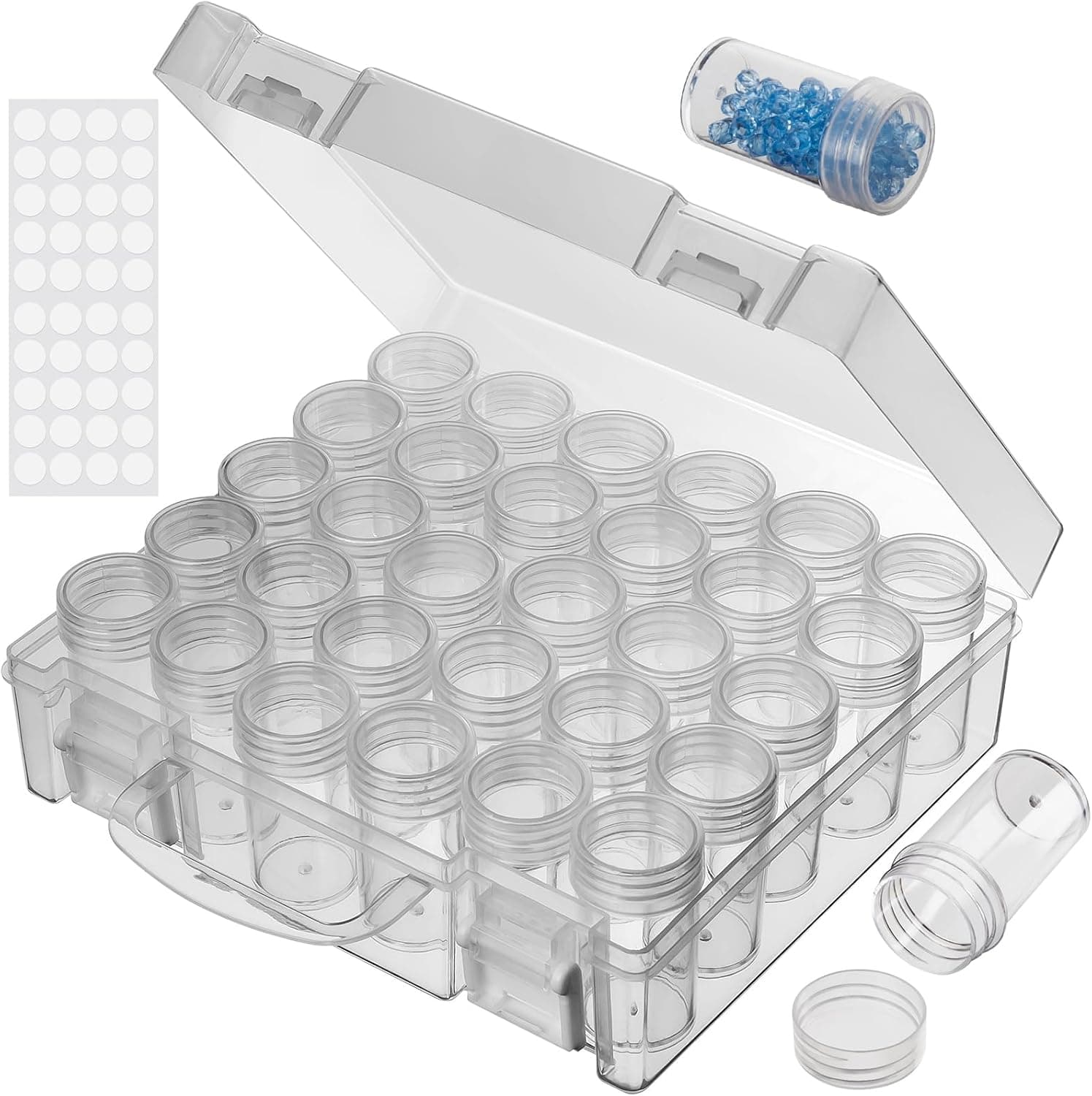
Every beader hits the moment when the hobby outgrows its first shoebox. Beads multiply quietly, strands from a sale here, leftovers from a project there, until finding the right 6mm rounds takes longer than making the bracelet. Disorganization is not just an annoyance; it costs real money, because a stash you cannot see is a stash you rebuy. The fix is not a perfect container so much as a consistent system, and the best system is the one that matches how you actually search for beads when a design idea strikes.
Start by choosing your primary sort key, because everything else follows from it. The three candidates are material, color, and size, and each suits a different maker. Sorting by material, gemstone, glass, metal, wood, seed beads, works well if your designs start from a specific bead type. Sorting by color suits designers who think in palettes and want to open one box and see every blue they own. Sorting by size fits production work where you know you need 8mm rounds regardless of material. Most experienced beaders land on a hybrid: material first, then color within each material, with seed beads always kept as their own separate universe because their tiny sizes and tubes demand different storage.
Match containers to bead categories rather than buying one giant solution. Compartmented plastic boxes with individually secured lids are the workhorse, and the secured part matters; boxes whose dividers do not seal turn into an expensive bead soup the first time they tip. Seed beads live best in their original tubes or in flip-top vials, stored upright in a box like a spice rack. Full gemstone strands resist boxes entirely and prefer hanging on hooks, a wall rack, or S-hooks on a rod, where you can see and touch every strand. Findings deserve their own small organizer with crimps, jump rings by size, clasps, and pins kept strictly apart, since a mixed findings box wastes minutes every single session. Stackable cases that fit a specific shelf beat random containers that almost fit anywhere.
Labeling is the discipline that separates lasting systems from temporary tidiness. Label every compartment or vial with, at minimum, the size and material, and ideally the vendor and price, because that information becomes unrecoverable within weeks. A cheap label maker or masking tape and a fine marker both work. For gemstones, keeping the vendor tag with the strand pays off when a customer asks what a stone is, or when you want to reorder the exact bead two years later. Photograph new purchases with their labels before shelving them; a phone album of your stash is a searchable inventory that costs nothing to maintain and prevents duplicate buying while you stand in a bead shop.
Design your workspace around the difference between active and archive storage. The beads for current projects belong in a tray or small case at arm's reach; everything else belongs on shelves, clearly labeled, out of the working zone. A project in progress deserves its own lidded tray holding the beads, findings, and a note about the plan, so an interrupted session can resume in seconds. This split keeps the bench clear enough to actually work, which matters because a cluttered bench quietly discourages you from starting. Good light and a bead mat complete the active zone.
Finally, build two small maintenance habits. First, a ten-minute reset at the end of each session: leftovers go back to their labeled homes immediately, because sorting one session's stragglers is trivial while sorting a month's accumulated mixed dish is a punishment. Second, a seasonal cull: beads you have not touched in a year or two, colors you have outgrown, and impulse buys that never fit your style can be destashed to friends, kids' craft boxes, or online sales. A leaner stash you know completely will always produce more finished jewelry than a vast collection you have lost track of.