How to Bead Weave: Your First Stitches Without a Loom
Published How we research
Bead weaving means joining small beads into fabric with a needle and thread, passing back through beads so each one locks to its neighbors. To start, you need size 11/0 seed beads, a size 10 or 12 beading needle, a strong beading thread and a bead mat. Then you learn one stitch, usually flat even-count peyote, and work it in short rows until the tension feels natural.
Products from this article
The highest-scoring picks from the buying guides this article links to. Scores are our editorial assessment, not customer ratings.
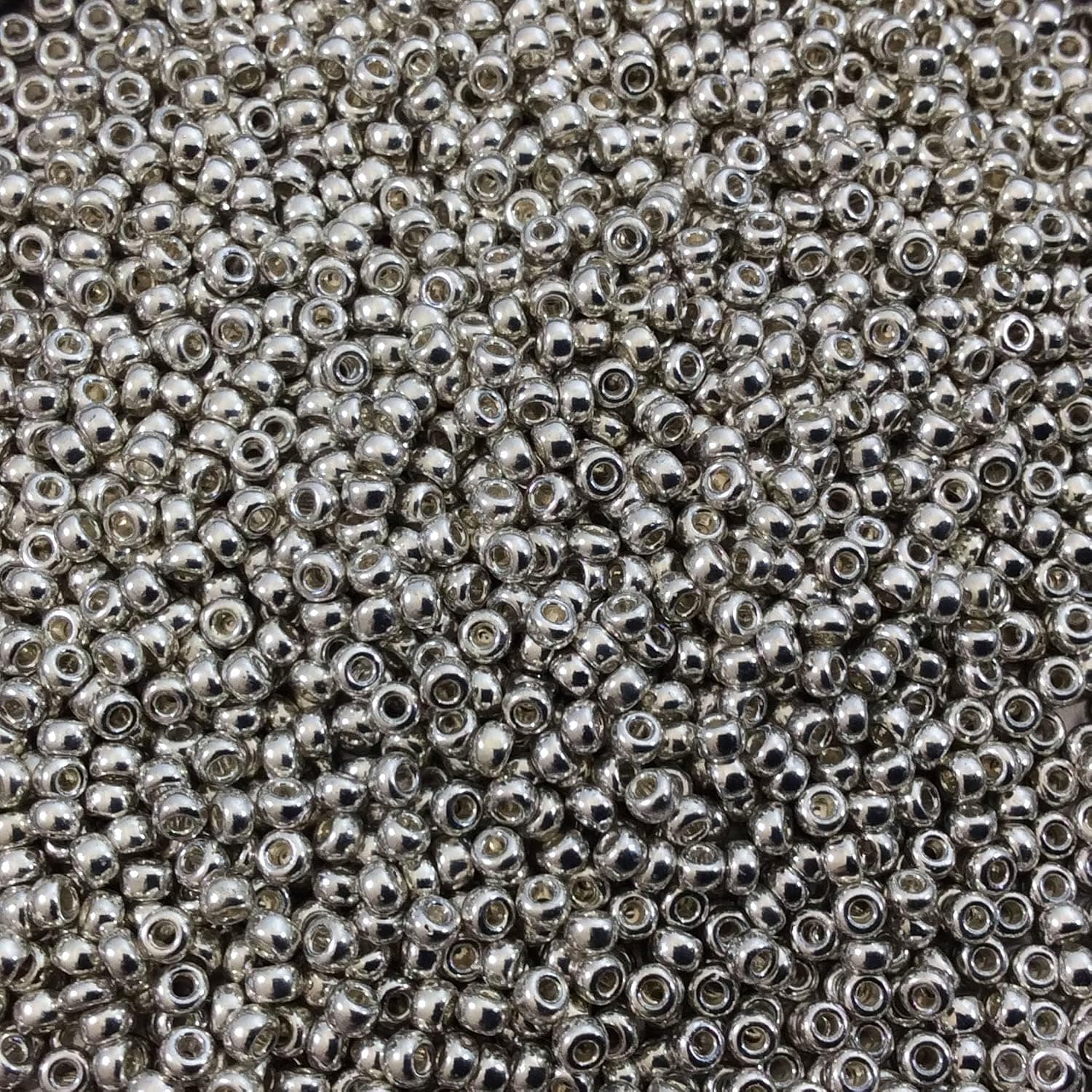
+ Miyuki rounds are known for uniform size, ideal for tight stitches
From our guide: Best Seed Beads for Beading Projects
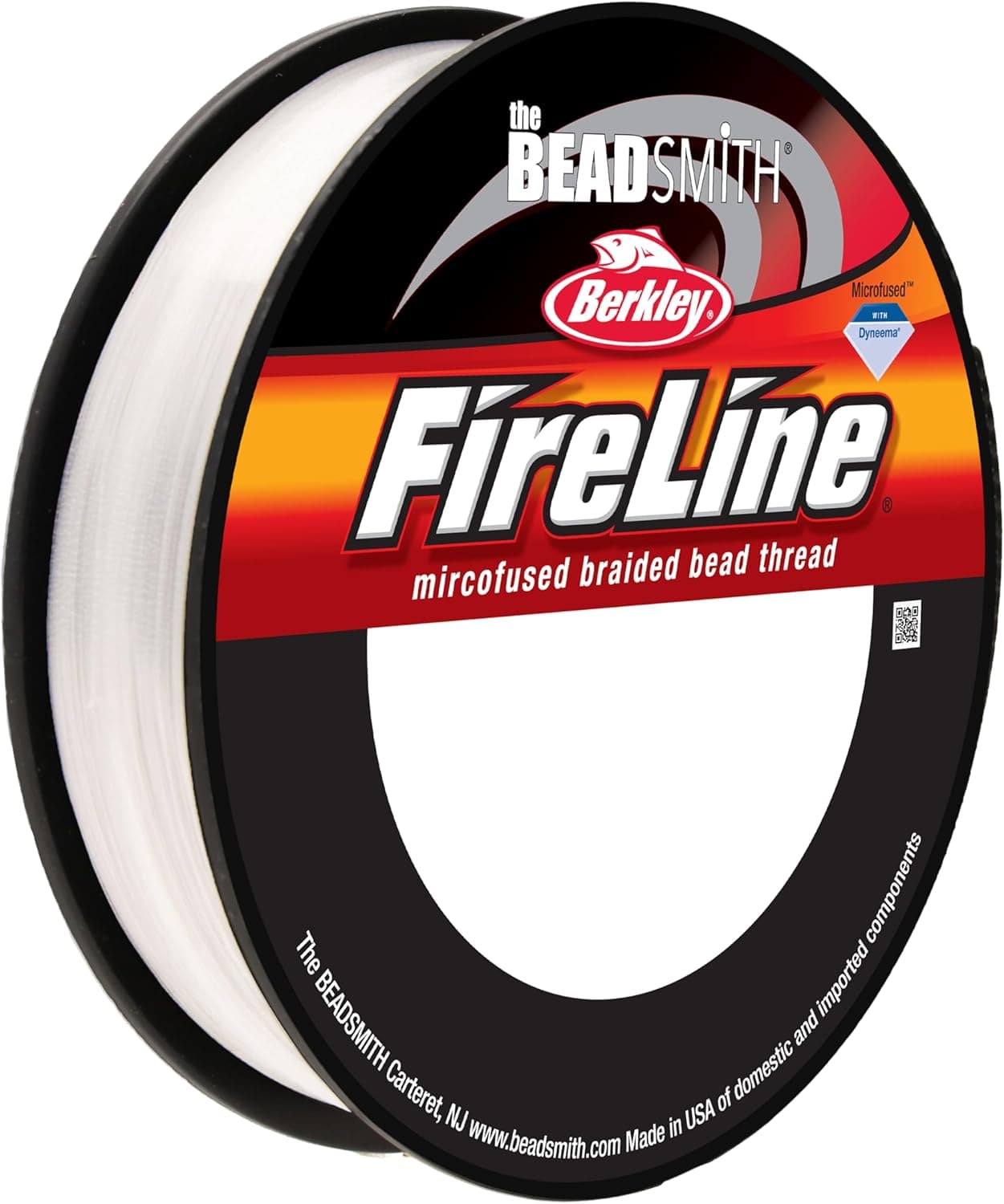
+ Micro-fused braided line resists fraying from sharp crystal edges
From our guide: Best Beading Thread for Weaving and Embroidery
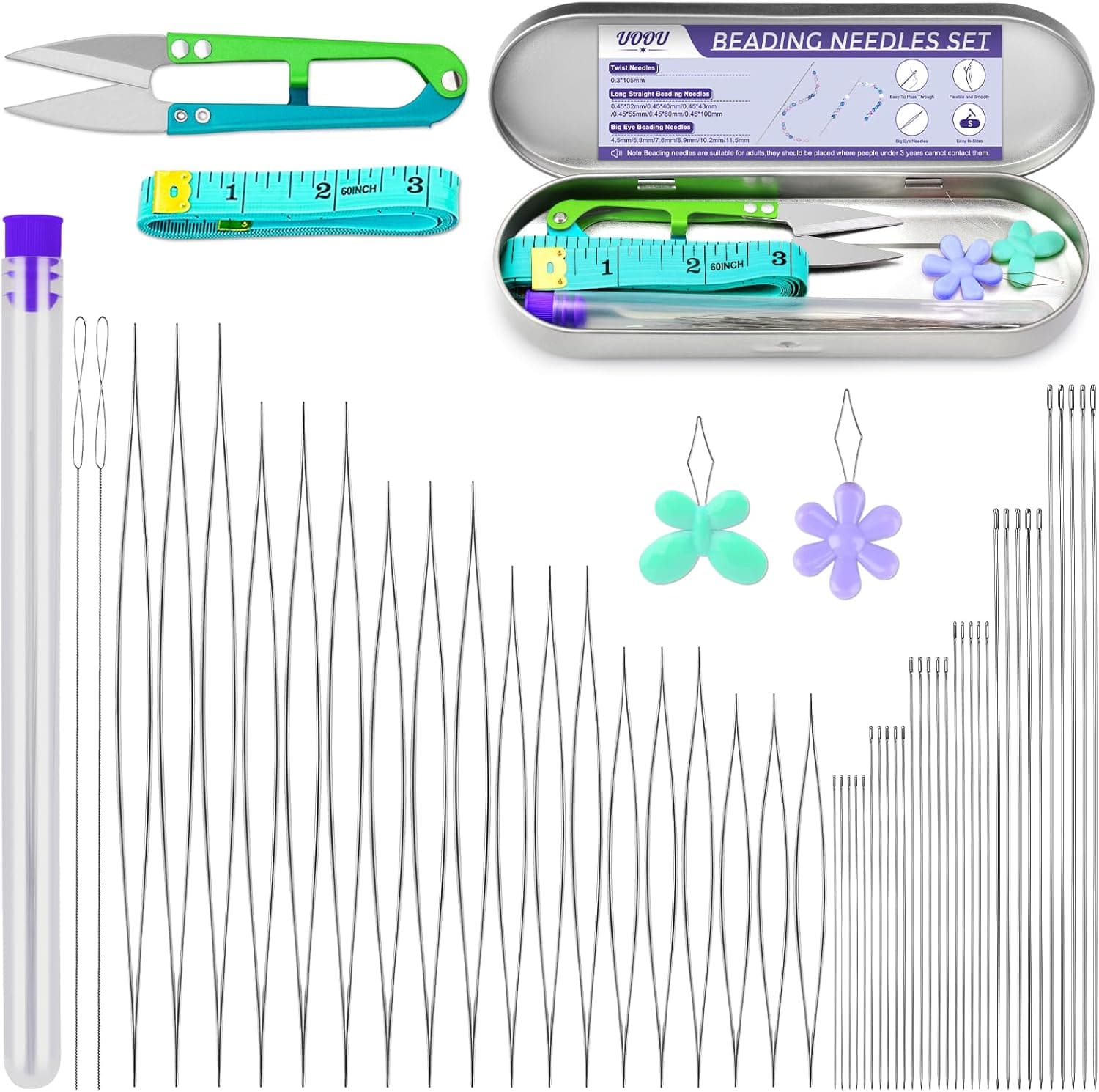
+ Three needle styles cover stitching, stringing and silk cord
From our guide: Best Beading Needles for Seed Beads and Bead Weaving
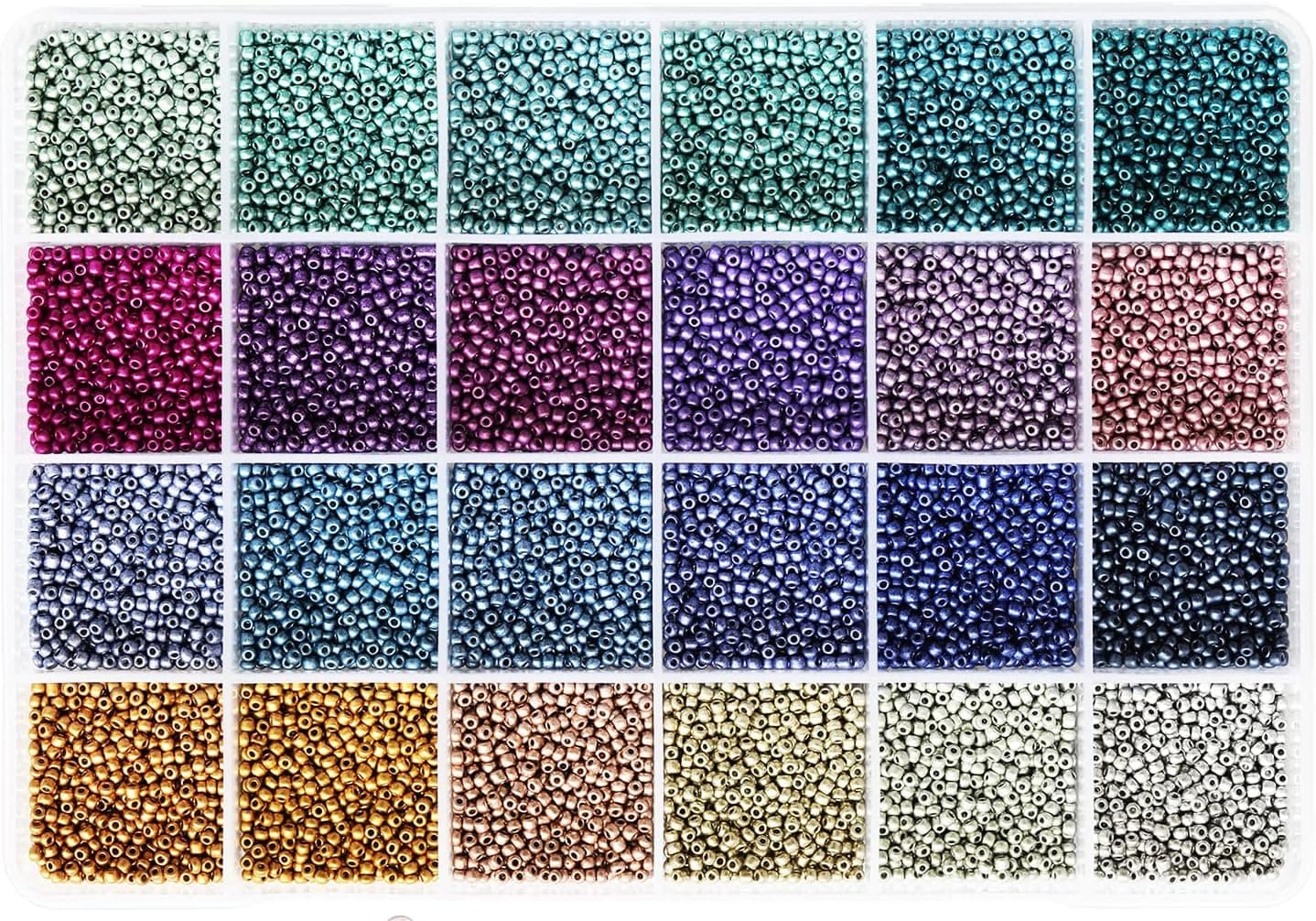
+ Matte frosted finish gives a velvety, modern look to woven pieces
From our guide: Best Seed Beads for Beading Projects

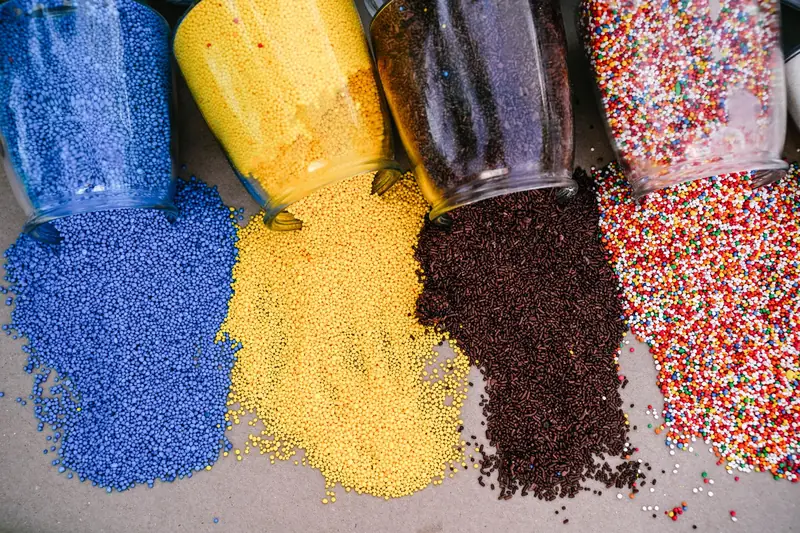
What bead weaving is and which stitch to learn first
In bead weaving the thread does the structural work. Instead of stringing beads in a line, you build rows, tubes or flat panels by looping the thread through beads that are already in place. The result is a flexible beaded fabric that can become a bracelet, a pendant, a bezel around a stone or a pair of earrings. The method differs from loom work, where a warp frame holds the thread in place. Off-loom stitches need only a needle, thread and a flat surface.
Five stitches cover most patterns: peyote, brick, square, right-angle weave and herringbone. Peyote is the usual first choice because it is compact, needs no frame and shows the thread path clearly. Brick stitch is a good second stitch for earrings and fringe. Square stitch lines beads up in a grid and suits charted pictures. Right-angle weave is open and drapey. Herringbone makes ropes and angled textures. Learn one stitch well before you add another.
Beads, thread and needles for your first piece
Seed beads in size 11/0 are the standard starting point: small enough to look fine, large enough to see the thread path. Cylinder beads, sold as Delica-style beads, have thin walls and straight sides. They sit flush in a row and make the neatest peyote, but they cost more and the large holes need careful thread use. Round seed beads vary a little in size from bead to bead, which is fine for practice. Our guide to the best seed beads compares options by size consistency and finish.
For thread, use a product made for beadwork. Nylon beading thread is soft and widely used, while braided gel-spun lines resist fraying and cut through less on sharp bead edges, though they are stiffer to knot. Our beading thread guide covers the trade-offs. Pair thread with a size 10 or 12 beading needle: the higher the number, the thinner the needle, and the more passes it can make through a crowded bead. A bead mat or a small tray stops beads from rolling while you work.
A first peyote strip, step by step
Cut about 4 to 5 feet of thread, thread the needle and leave it single. Pick up one bead and slide it to about 6 inches from the tail end. Pass the needle back through that bead to make a stop bead, which keeps the rest from sliding off. Then pick up 10 beads. This even count forms the base: together they make rows 1 and 2, with the beads alternating up and down.
Pick up one bead, skip the last bead you strung, and pass the needle through the one before it. Pull snug. This is the first bead of row 3, and it sits in the gap between two beads below. Repeat: add a bead, skip one, go through the next, until you reach the stop bead end. The beads that stand proud of the strip are the up-beads that you build on in the next row.
On the following row, add a bead and pass through the next up-bead of the previous row. Every new bead drops into a notch between two beads below it. At the row end, add the last bead and turn. Keep going for 10 to 20 rows. Work with a short length of thread held close to the beads, so you pull gently and the strip stays flat and even.
Tension, thread length and finishing the ends
Tension is the main skill. Pull until the beads touch without bowing the strip. If the work curls or feels stiff like cardboard, you are pulling too hard. If thread shows between beads, the tension is too loose. Most beginners start loose and tighten over a few rows, so after a practice strip it is common to unpick the first rows and redo them.
When the thread runs down to about 6 inches, start a new length. Weave the old thread back through several rows in a zigzag path, tying a half-hitch knot around the thread between beads once or twice, then trim flush. Bring the new thread in the same way, exiting where the old one stopped. Do not tie big knots on the surface, because they snag and show. For high-wear pieces such as bracelets, many makers go over the finished piece again with the thread to add strength.
Common problems and how to fix them
A needle that will not fit through a bead is the usual sign of a crowded bead hole. Do not force it: a thinner needle, or a bead with a bigger hole, solves the problem. Forcing cracks glass and can leave a hair-thin split that later cuts the thread. A reamer helps with larger beads, but for seed beads it is better to swap the bead.
Beads that come out uneven are part of the material, since seed beads are produced in batches with some variation. Sorting by eye as you pick up each bead, and setting aside the very fat or very thin ones, makes rows look straighter. To undo a mistake, back the needle out along the thread path rather than cutting. Pull the needle through the beads in reverse, and avoid splitting the thread, because a split thread is weaker. If you cannot back out without damage, cut the thread, remove the beads and start again.
Frequently asked questions
What is the easiest bead weaving stitch for beginners? Flat even-count peyote is the usual starting point. It needs no frame, the thread path is easy to follow and the same stitch carries over to bracelets, bezels and earrings.
How much thread do I need for bead weaving? Most makers work with 4 to 5 feet at a time. Longer thread tangles and wears as it is pulled through the beads, and shorter thread means more frequent thread changes. Add new thread when about 6 inches remain.
Can I bead weave without a loom? Yes. Off-loom stitches such as peyote, brick stitch and right-angle weave need only a needle, thread and beads. A loom is a separate method; see our walkthrough on how to use a beading loom.
Which seed bead size should I start with? Size 11/0 is the common choice. Size 8/0 beads are bigger and easier to see, which helps if you want a quick first practice piece.
Popular right now
- Seed Bead Size ChartArticle
- Choosing Beading WireArticle
- Best Jewelry Making Travel Cases for Crafting AnywhereBuying guide
- Best Bead Reamers for Enlarging and Smoothing Bead HolesBuying guide
- Best Bead Spinners for Fast Seed Bead StringingBuying guide
- Best Crimp Beads and Crimp Tubes for Secure BeadingBuying guide
Based on the last 28 days of search and visitor data.