Choosing Clasps
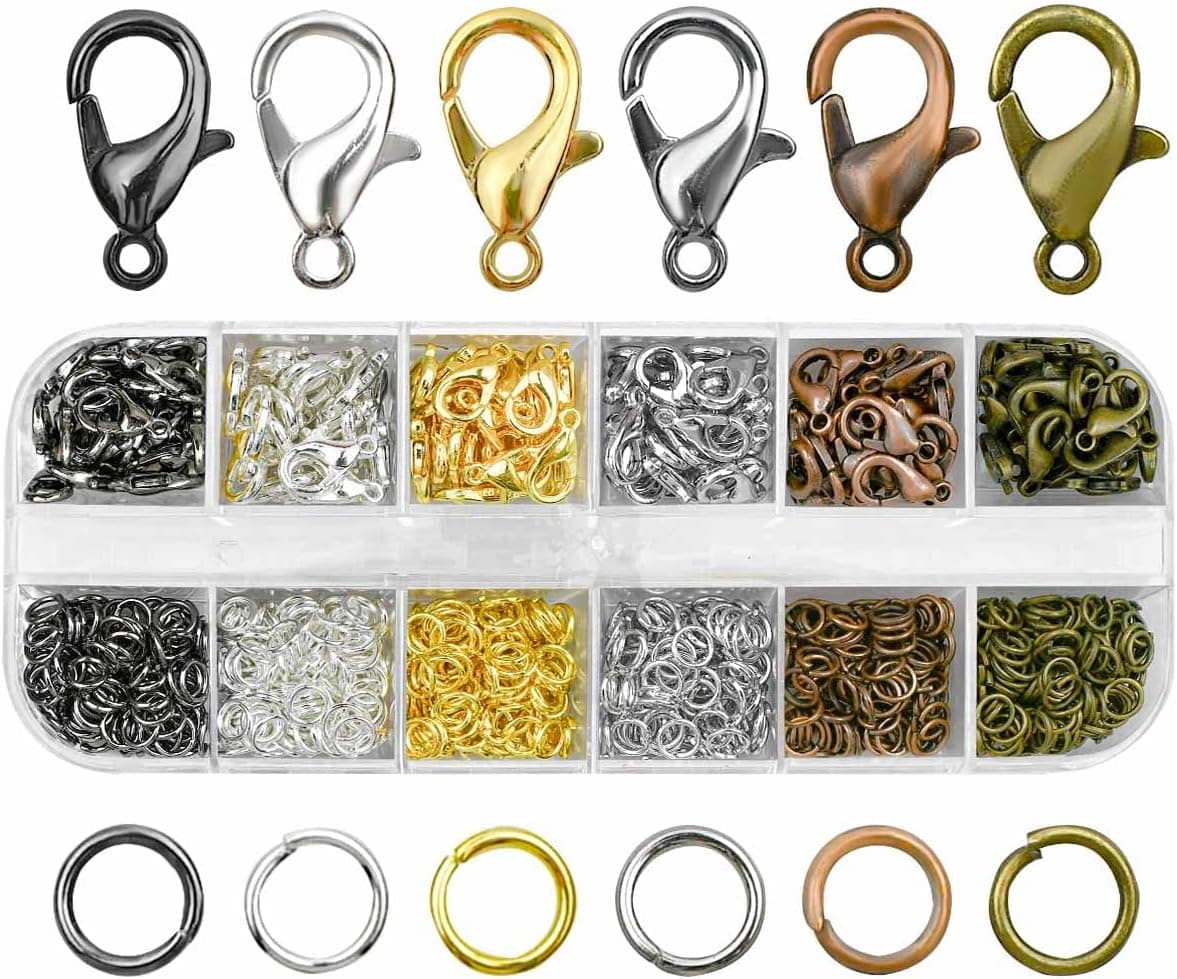
The clasp is the most-touched part of any necklace or bracelet, and often the least considered. Makers agonize over bead choice and then reach for whatever closure is in the drawer, yet the clasp determines whether a piece is easy to put on, whether it survives a snag, and how finished the design looks. Learning the strengths of half a dozen clasp families, and matching them deliberately to each project, is one of the fastest upgrades available to a developing jeweler.
The lobster clasp is the modern default for good reason: a spring-loaded gate in a teardrop body, secure against accidental opening and available in every size and metal. Its cousin the spring ring, the small round clasp on classic fine chains, is slimmer but fiddlier to operate. Both require two hands or at least good dexterity, which is their real limitation. Size your lobster to the piece; a tiny 10mm clasp on a chunky gemstone necklace looks like an afterthought and works too hard, while a 14 to 16mm clasp matches heavier designs both visually and mechanically. Pair either style with a soldered closed ring on the receiving end, since an open jump ring there is the weakest link.
The toggle clasp, a bar that slips through a ring and rests crosswise, is the self-fastening favorite for bracelets because it can be operated one-handed. Its security depends on tension: the piece must be weighty enough to keep the bar seated, which makes toggles excellent on substantial bracelets and risky on featherweight ones. Toggles are also decorative by nature, happily worn at the front of a necklace as a design element. Check that the bar is comfortably longer than the ring's opening, and that the first bead next to the bar leaves clearance for it to flip through; a bar crowded by beads is a daily annoyance.
Magnetic clasps trade security for effortlessness, snapping shut on their own, which makes them beloved by anyone with arthritis or limited dexterity. Quality varies enormously: strong rare-earth magnet clasps hold a necklace reliably, while weak ones release under the weight of a heavy bracelet or the tug of a coat sleeve. Use them where loss would not be a tragedy, or choose designs with a safety chain. One caution worth stating plainly: magnetic clasps should be avoided by wearers with pacemakers, and heavy bracelets plus magnets is a combination that ends with jewelry in a parking lot. For elderly gift recipients, a good magnetic necklace clasp is often the difference between worn and never worn.
Box clasps and slide clasps serve dressier and multi-strand work. A box clasp inserts a folded metal tongue into a decorative housing until it clicks, often with a safety latch on the side, and suits vintage-style and pearl designs. Slide clasps are bars with multiple loops that mate telescopically, the standard solution for two- and three-strand bracelets where strands must stay ordered and untwisted. Hook-and-eye and S-hook clasps are the simplest closures of all, relying on gravity, best on necklaces with some weight and a bohemian or ancient look. Each of these carries a style signal, so let the clasp reinforce the design language of the piece rather than fight it.
A few cross-cutting rules finish the decision. Match clasp metal to the piece's findings, both for looks and to avoid galvanic and plating mismatches next to skin. Weigh the finished piece mentally against the clasp's strength, and when in doubt go one size up. Think about the wearer's hands, not yours: a clasp you can operate at your bench may defeat the same person putting it on behind their neck each morning. Extender chains forgive length guesses and add flexibility for layering. And keep an assortment box of quality clasps in your two main metal tones, because the right closure in the drawer is what lets a finished strand become finished jewelry the same day.