Memory Wire Projects
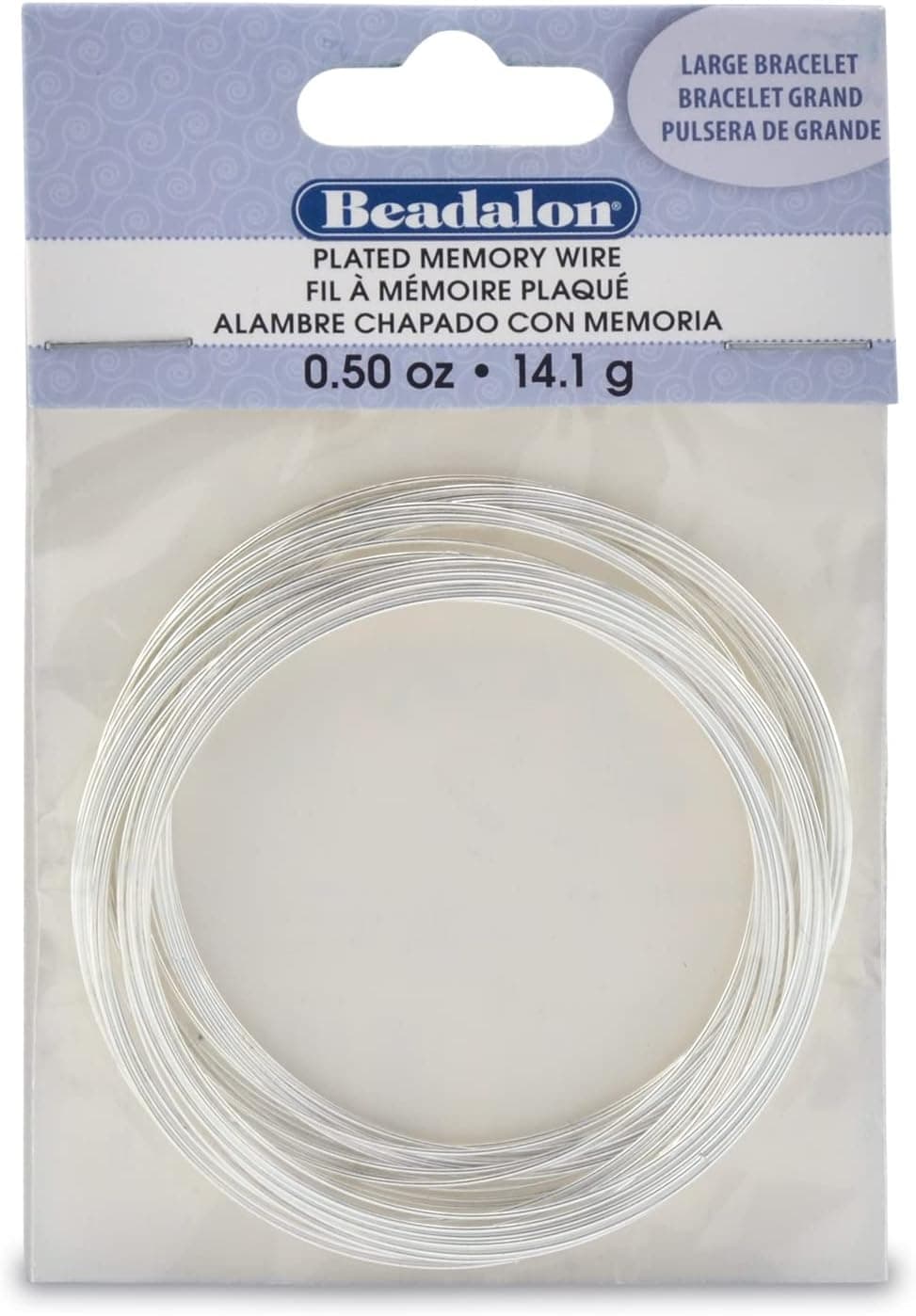
Memory wire is spring steel that permanently holds its coiled shape, so a bracelet needs no clasp, crimps, or sizing. Never cut it with good flush cutters because it notches the blades, use dedicated memory wire cutters. Finish each end with a rolled loop or a glued-on end cap, cut three to five coils for a wrap bracelet, and fill the coils reasonably full so bare steel does not catch arm hair. Memory wire is spring-tempered steel that permanently remembers its coiled shape, which makes it the rare jewelry material that needs no clasp, no crimps, and no sizing. A memory wire bracelet simply wraps around the wrist and holds itself there, expanding to slide over the hand and springing back snug. That makes it beloved for gifts of unknown wrist size, for anyone who struggles with clasps, and for beginners who want a finished, professional-feeling piece on day one. It also has a few sharp rules of its own, the first of which will save your best tool from ruin.
Never cut it with your good cutters
That rule is: never cut memory wire with your good flush cutters. The steel is far harder than the jeweler's wire those cutters were built for, and a single snip leaves a permanent notch in the blades. Buy dedicated memory wire cutters, or use heavy utility snips reserved for the purpose, or bend the wire back and forth at one point until it snaps. Handle the cut ends with respect as well, since freshly cut spring steel is sharp; a quick touch with a needle file smooths the burr. Memory wire comes in ring, bracelet, and necklace diameters, sold as loose coils, and in standard and oval bracelet profiles, with oval sitting more naturally on the wrist.
Finishing the ends: loops or end caps
Finishing the ends is the craft's central technique, and there are two standard options. The classic finish is a simple loop: grip the very end of the wire with round nose pliers and roll it back against the coil's curve into a small closed circle, which stops beads and doubles as an attachment point for dangles. Rolling against spring steel takes noticeably more hand strength than ordinary wire, so use the base of the pliers' jaws for leverage and work in small bites. The alternative is glue-on end caps, small metal balls or cylinders with a blind hole; scuff the wire tip, apply a strong two-part epoxy or gel adhesive, seat the cap, and let it cure fully before stringing. Caps give a sleeker look, loops are more secure and more useful, and many makers loop one end and cap the other.
The standard wrap bracelet
The standard project is the wrap bracelet. Cut three to five complete coils, finish one end, then string beads until each coil is filled, keeping heavier focal beads distributed so the bracelet does not list to one side. Because there is no clasp interrupting the design, continuous patterns work beautifully: color gradients that travel the full length, repeating segments punctuated by metal spacers, or a deliberate progression from small beads at the ends to a bold center. Finish the second end, add a charm or a short dangle cluster to one or both end loops if you like, and the bracelet is done. A five-coil wrap reads like a stacked armful of bracelets while going on in one motion.
Variations: rings, bangles, and collars
Variations keep the material interesting past the first project. Single-coil designs with a few centimeters of overlap make quick, elegant bangles and are the thriftiest use of beads. Ring-diameter memory wire produces stacking rings in minutes, a wonderful project with older kids. Necklace-diameter coils create collar-style necklaces that need no clasp, best strung with lightweight beads so the collar keeps its shape. You can also space beads deliberately along the coils with small sections of seed beads between feature beads, which stretches premium gemstones a long way. Because the wire dictates the silhouette, memory wire rewards thinking in bands of color and texture rather than in single focal points.
Practical cautions
A few practical cautions complete the picture. Do not try to straighten memory wire or reshape its diameter; it will fight you and win. Fill coils reasonably full, since long bare stretches of steel can catch arm hair, and choose beads with holes that clear the wire, which is thicker than typical beading wire. People with limited hand mobility find memory wire bracelets far easier than clasped ones, making them thoughtful gifts for older relatives. And keep offcuts, because short leftover arcs finish into napkin rings, wine glass charms, and ornament hangers, meaning almost none of a coil goes to waste.
Frequently asked questions
Can I cut memory wire with regular jewelry cutters? No. The steel is far harder than jeweler's wire and one snip leaves a permanent notch. Use dedicated memory wire cutters, heavy utility snips, or bend it back and forth until it snaps.
How do I finish the ends of a memory wire bracelet? Roll a small closed loop with round nose pliers against the coil's curve, or scuff the tip and glue on a metal end cap with two-part epoxy. Many makers loop one end and cap the other.
Does a memory wire bracelet need a clasp? No. It wraps around the wrist and holds itself, expanding to slide over the hand and springing back snug, which makes it ideal for gifts of unknown wrist size.
Can I resize memory wire? No. Do not try to straighten it or change its diameter, it will fight you and win, so choose the coil diameter you need at the start.