Making Jewelry to Sell
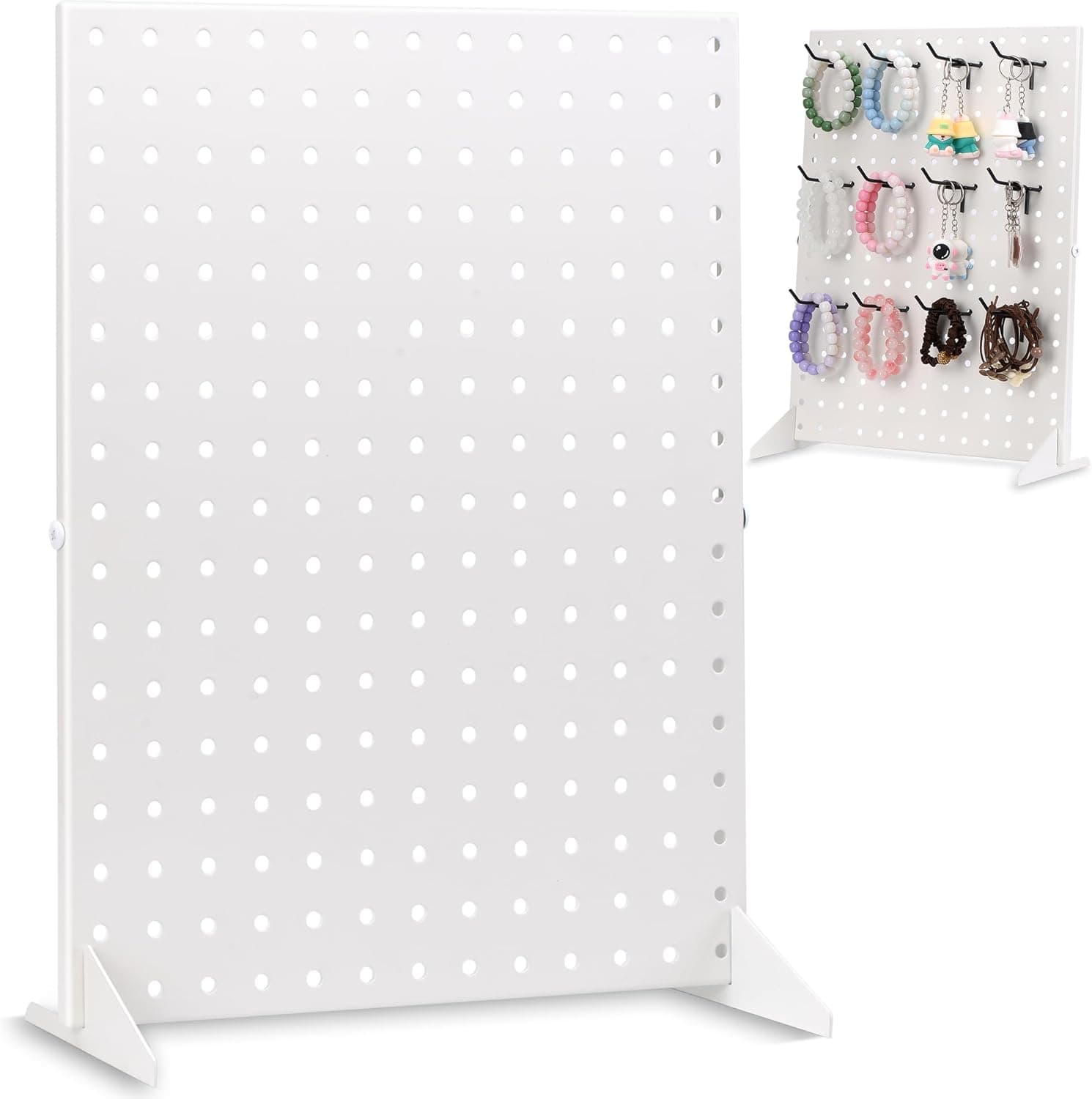
The gap between making jewelry for fun and selling it is smaller than most hobbyists fear and larger than a weekend project. What changes is not primarily your skill but your consistency: paying customers expect pieces that survive daily wear, arrive looking like the photo, and can be repeated when a friend of the buyer wants one too. Approaching those expectations deliberately, before the first sale rather than after the first complaint, is what separates sellers who last from those who burn out in one craft-fair season.
Start by narrowing your line, which feels counterintuitive when enthusiasm says make everything. A focused collection of eight to fifteen designs in coherent styles and a consistent palette photographs better, markets easier, and builds a recognizable identity. Choose designs you can reproduce efficiently: a wrapped-loop gemstone earring you can make in twelve minutes is a product, while a freeform woven cuff that takes nine hours is art priced accordingly. Test bestsellers among friends and coworkers before investing in inventory, and notice which pieces people spontaneously ask about, since unsolicited interest is the most honest market research available.
Materials deserve an upgrade the moment money changes hands. Base-metal findings that work fine for personal pieces cause returns when a customer's skin reacts, so move to surgical steel, titanium, sterling silver, or gold-filled components for anything touching skin, and say so in your listings, because hypoallergenic materials are a selling point people search for. Buy findings and popular beads in bulk to drop your unit costs. Standardize your components across designs so one inventory serves many products. And torture-test every design personally, wear the bracelet for two weeks, yank the pendant, wash hands wearing the ring, because your customers will do all of this without reading care instructions.
Choose a first sales channel that matches your temperament. Local craft fairs and maker markets offer immediate feedback, cash sales, and no photography requirements, at the cost of booth fees and weekends. Online marketplaces expose you to enormous audiences but demand good photos, keyword-smart listings, and patience with slow early traction. Social selling through short videos of your process converts surprisingly well for handmade goods, since people buy the maker along with the jewelry. Consignment in local boutiques trades a large commission for shelf presence. Most successful small jewelers run two channels, typically one local and one online, and let real sales data decide where to invest effort.
Handle the unglamorous foundations early because they are cheap now and expensive later. Register whatever simple business form your jurisdiction requires, track every expense from the first spool of wire, and understand your obligations for collecting sales tax. Price with a real formula rather than feelings, materials plus labor at an honest hourly rate, multiplied to wholesale and retail, and resist the beginner urge to compete with mass-produced imports on price, because you cannot and your buyers are not looking for that anyway. Photograph every design on a clean, consistent background, write honest descriptions including sizes and materials, and decide your policies on returns, repairs, and custom orders before someone asks.
Finally, protect the joy that started all this. Batch your production so making stays efficient, but keep some bench time for experimental pieces that may become next season's line. Collect customer photos and reviews from day one, since social proof compounds. Expect the first months to be slow and treat every sale as data: what sold, to whom, at what price, from which channel. Small handmade jewelry businesses rarely explode; they accrete, one repeat customer and one market weekend at a time, and the makers who thrive are the ones who systematized the boring parts so the creative part stayed fun.