How to Prevent Kinks and Tool Marks in Jewelry Wire
Published How we research
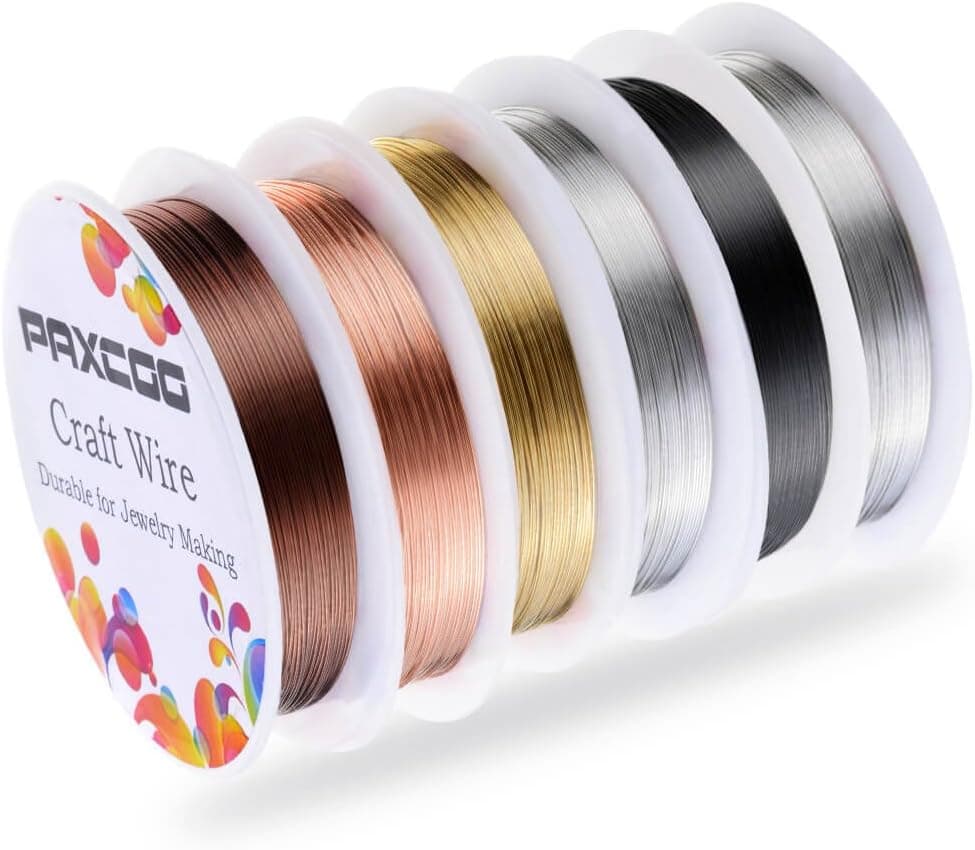
Wirework looks elegant when loops are round and wires flow smoothly, but kinks, dents and tool marks make pieces look homemade in the wrong way. Most problems come from handling wire too much, using the wrong tools or choosing wire that is too soft or too hard for the project. Practice with inexpensive craft wire and a few technique changes improve results quickly.
Understand wire temper
Jewelry wire comes in tempers, such as dead soft, half hard and full hard. Dead soft wire bends easily and is good for wrapping, but it kinks and marks more easily. Half hard wire holds shapes like ear wires and clasps better.
Wire becomes harder as you bend it, a process called work hardening. Bending the same spot repeatedly makes wire brittle and more likely to kink or break.
Handle wire gently
Kinks often form when wire is pulled from a coil or bent sharply by accident. Unroll wire from the spool rather than pulling it straight off, and avoid letting it twist into loops.
Straighten wire by pulling it gently through a nylon-jaw straightening plier or a soft cloth. Avoid excessive straightening, which work hardens wire.
Use the right pliers
Jewelry pliers have smooth jaws designed for wire. Hardware pliers with serrated jaws leave scratches and dents. Round nose pliers form loops, chain nose pliers grip and bend, and flat nose pliers hold wire steady.
Nylon-jaw pliers protect soft and coloured wire from marks. Wrapping plier jaws with tape is a temporary option for beginners.
Improve loop technique
Mark your round nose pliers where you form loops so each loop is the same size. Rotate your wrist and the pliers rather than pushing wire around the jaw.
Grip wire lightly and reposition pliers rather than squeezing hard. Practice simple loops and wrapped loops on scrap wire until the motion feels natural.
Choose the right gauge
Thin wire is easy to shape but kinks easily and may not hold its structure. Thicker wire is stronger and resists kinks but requires more force to bend.
Common beaded dangles often use around 22-24 gauge wire, while ear wires and clasps use thicker, harder wire. Check bead hole sizes before choosing gauge.
Finish and polish
File wire ends smooth with a cup bur or fine file, especially for ear wires. Rough ends scratch skin and snag clothing.
Tumbling finished wirework in a jewelry tumbler hardens and polishes it. Check whether beads and stones are safe to tumble before adding them.
Products from this article
The highest-scoring picks from the buying guides mentioned above. Scores are our editorial assessment, not customer ratings.
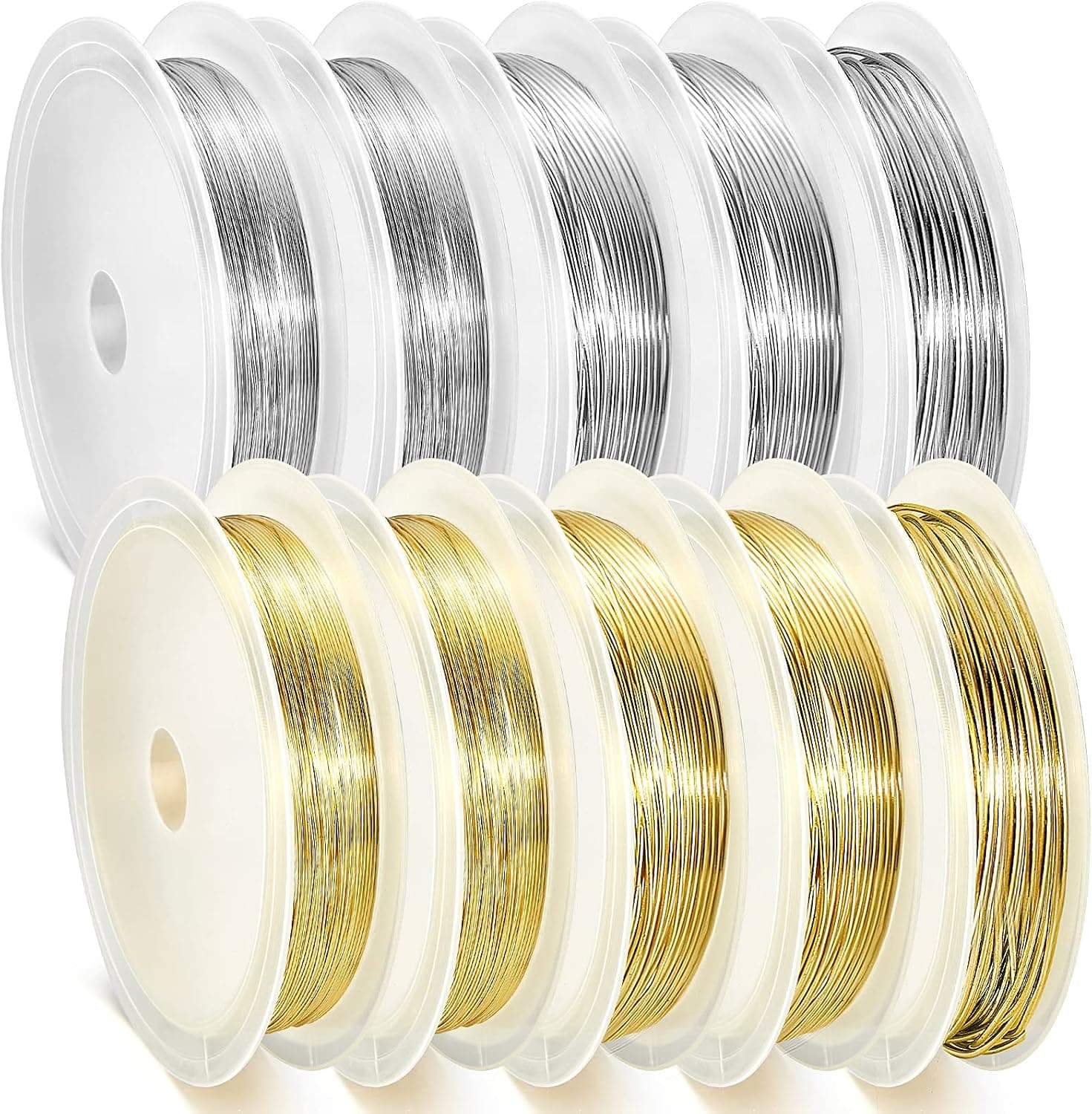
+ Five gauges cover everything from frames to fine weaving
From our guide: Best Craft Wire for Wire-Wrapped Jewelry
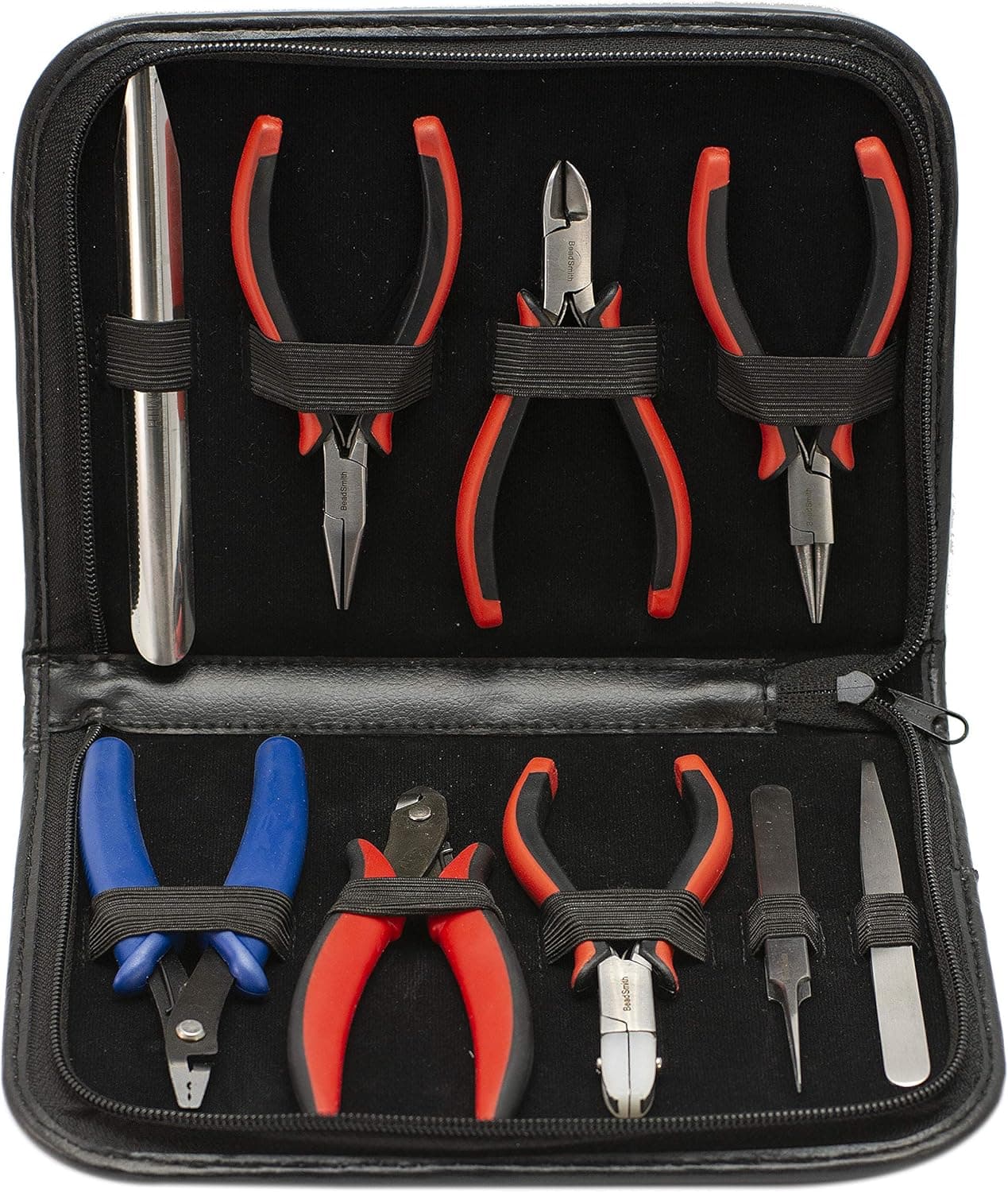
+ Tungsten carbide cutter stays sharp far longer than steel
From our guide: Best Jewelry Pliers Sets for Beginners and Working Makers
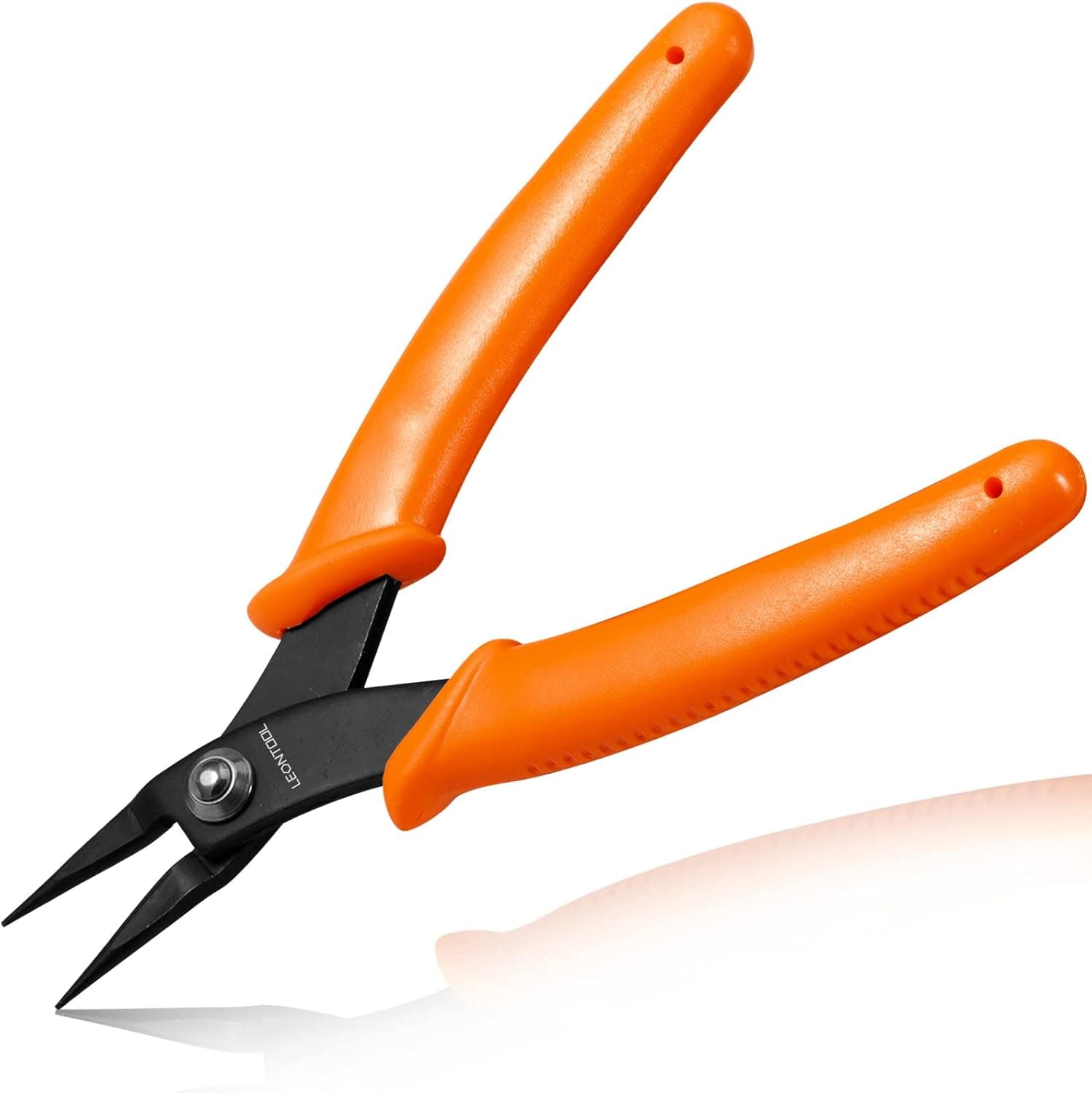
+ Smooth jaws help avoid scratches on plated and soft wire
From our guide: Best Round Nose Pliers for Loops and Wire Wrapping
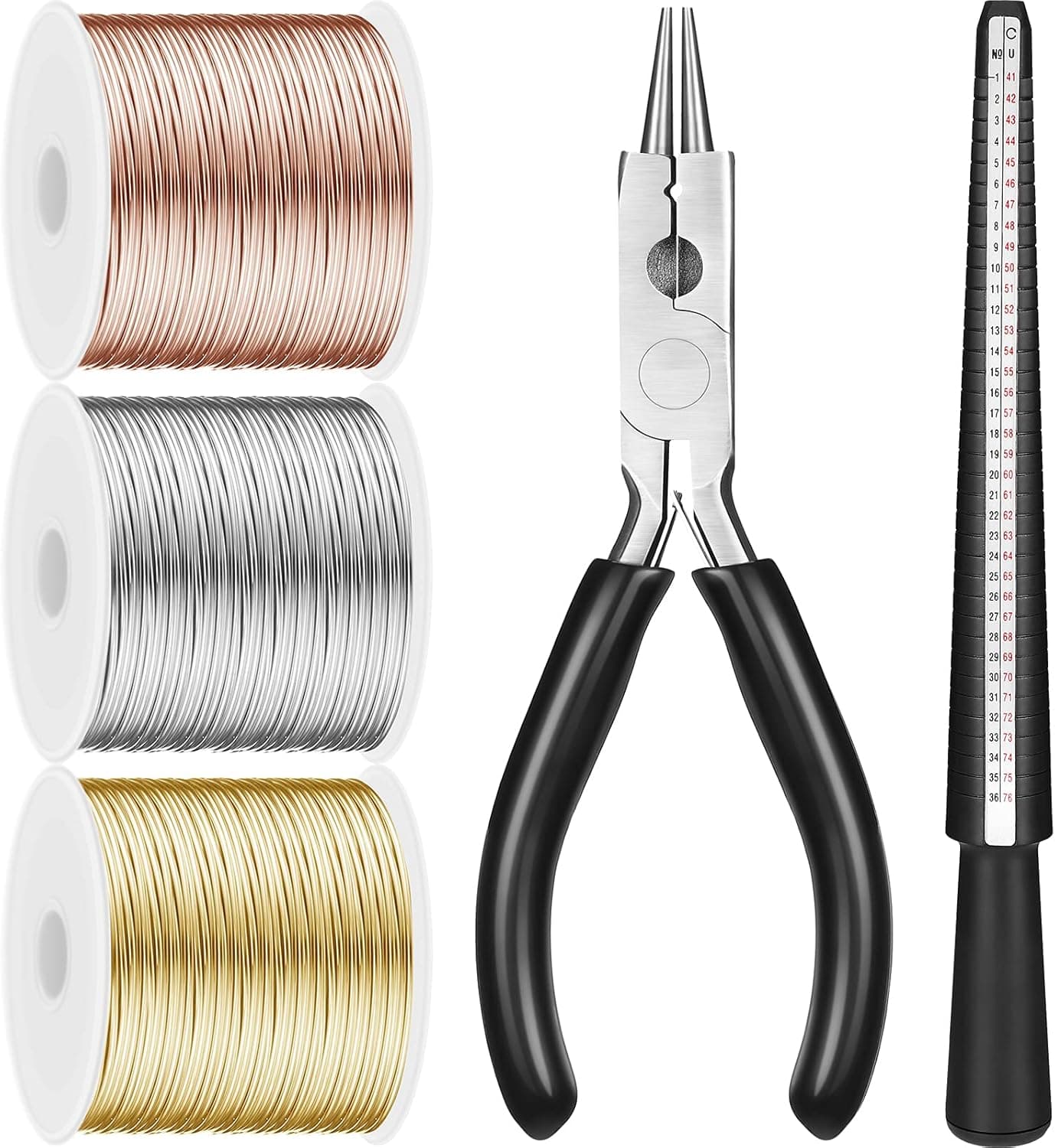
+ Pliers and ring sizer included, so beginners can start right away
From our guide: Best Craft Wire for Wire-Wrapped Jewelry
Popular right now
- Charm Bracelet IdeasArticle
- Seed Bead Size ChartArticle
- Best Bead Mats to Keep Beads From Rolling AwayBuying guide
- Seed Bead BasicsArticle
- Memory Wire ProjectsArticle
- Choosing Beading WireArticle
Based on the last 28 days of search and visitor data.