Why Handmade Jewelry Tarnishes and How to Prevent It
Published How we research
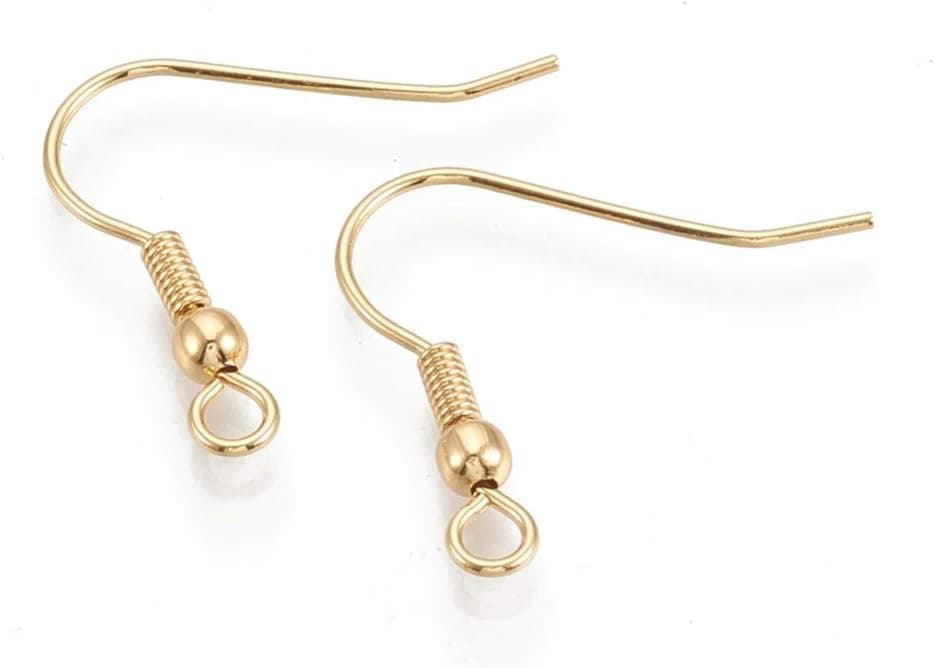
Few things disappoint a jewelry maker more than seeing a bracelet they made last month turn dull, or hearing that a gifted ring left a green mark on someone's finger. Tarnish and skin discolouration are chemical reactions between metals and oxygen, moisture, sweat and skin products. They are common with inexpensive findings and plated components, and choosing better materials and storage habits prevents most of them.
Why metals tarnish and discolour skin
Copper, brass and many base metal alloys react with oxygen, sulphur compounds in the air and the salts and acids in sweat. The reaction creates dark tarnish on the metal and can leave green or dark marks on skin, which are harmless but unattractive.
Sterling silver also tarnishes over time, although it does not usually turn skin green. Plated findings look good at first, but once the thin plating wears through with friction, the base metal underneath begins to react.
Choose better findings
Stainless steel, titanium, niobium, gold-filled and sterling silver findings resist tarnish far better than plated base metals. Gold-filled components contain a much thicker layer of gold than plated ones and hold up well to daily wear.
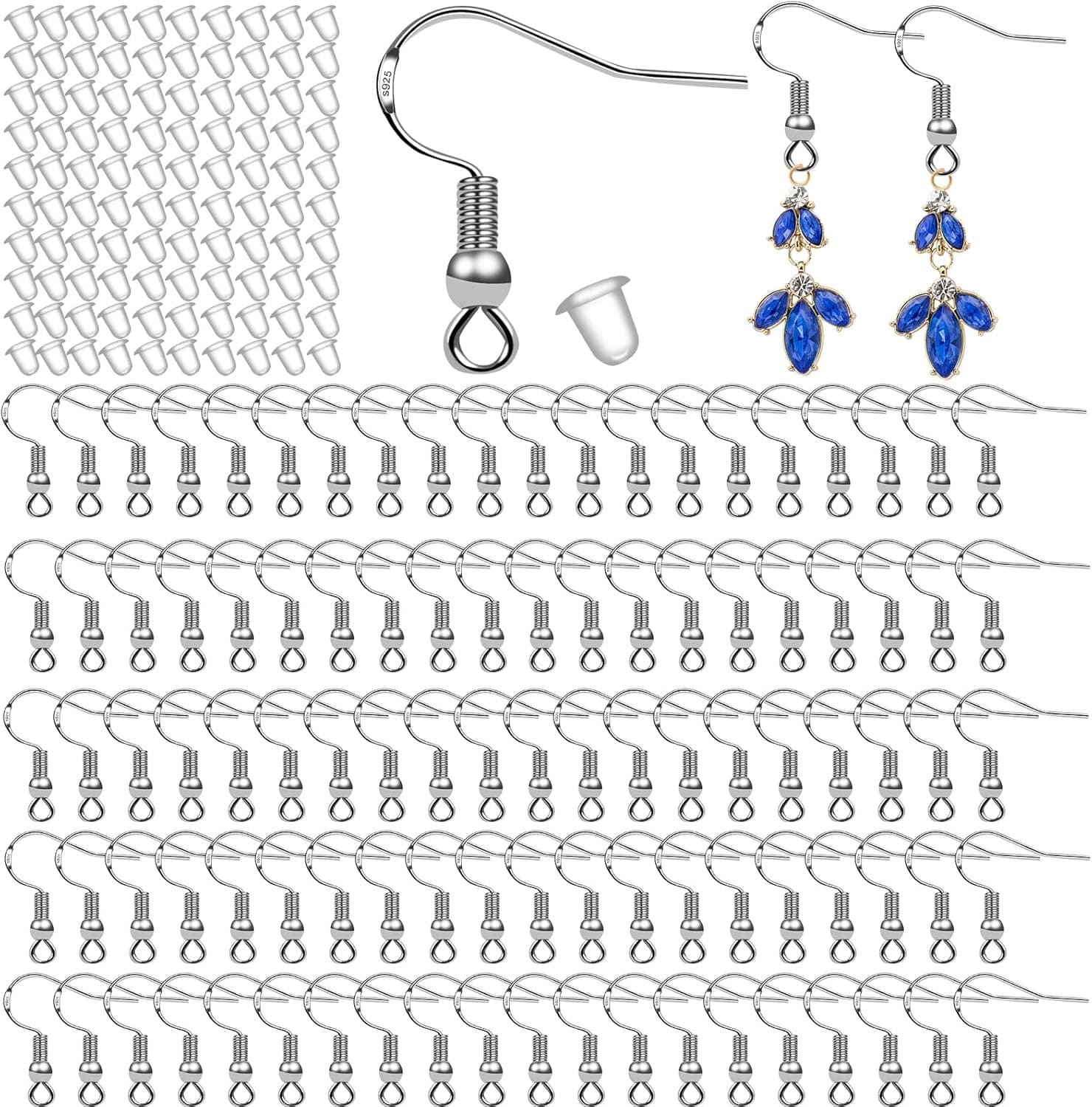
For earrings, choose hypoallergenic ear wires, such as surgical stainless steel, titanium or niobium, especially for people with sensitive ears. Clearly label materials when selling or gifting jewelry.
Seal base metal components
Clear jewelry lacquers and protective coatings create a barrier between metal and skin. They slow tarnishing on brass, copper and plated pieces, particularly rings and bracelets that rub against the body.
Coatings wear away eventually, so reapply as needed and test on a small component first. Allow coatings to cure fully before wearing.
Clean jewelry gently
Polishing cloths designed for silver or jewelry remove light tarnish from metal components. Avoid dipping beaded pieces in liquid silver cleaners, which can damage pearls, porous gemstones, stringing materials and plating.
Wipe jewelry after wearing to remove sweat, lotions and perfume. Clean pieces with a soft cloth rather than abrasive products.
Store jewelry properly
Keep finished jewelry and findings in airtight bags or containers with anti-tarnish strips. Separate pieces so chains do not tangle and metals do not scratch.
Store supplies away from humidity, such as bathrooms and damp basements. Silica gel packets help reduce moisture in storage boxes.
Share care advice
When selling or gifting jewelry, include a small care card. Recommend removing jewelry before swimming, showering, exercising or applying lotions and perfume.
Clear care instructions set expectations and help pieces last longer. This builds trust with customers and reduces complaints about tarnish.
Products from this article
The highest-scoring picks from the buying guides mentioned above. Scores are our editorial assessment, not customer ratings.
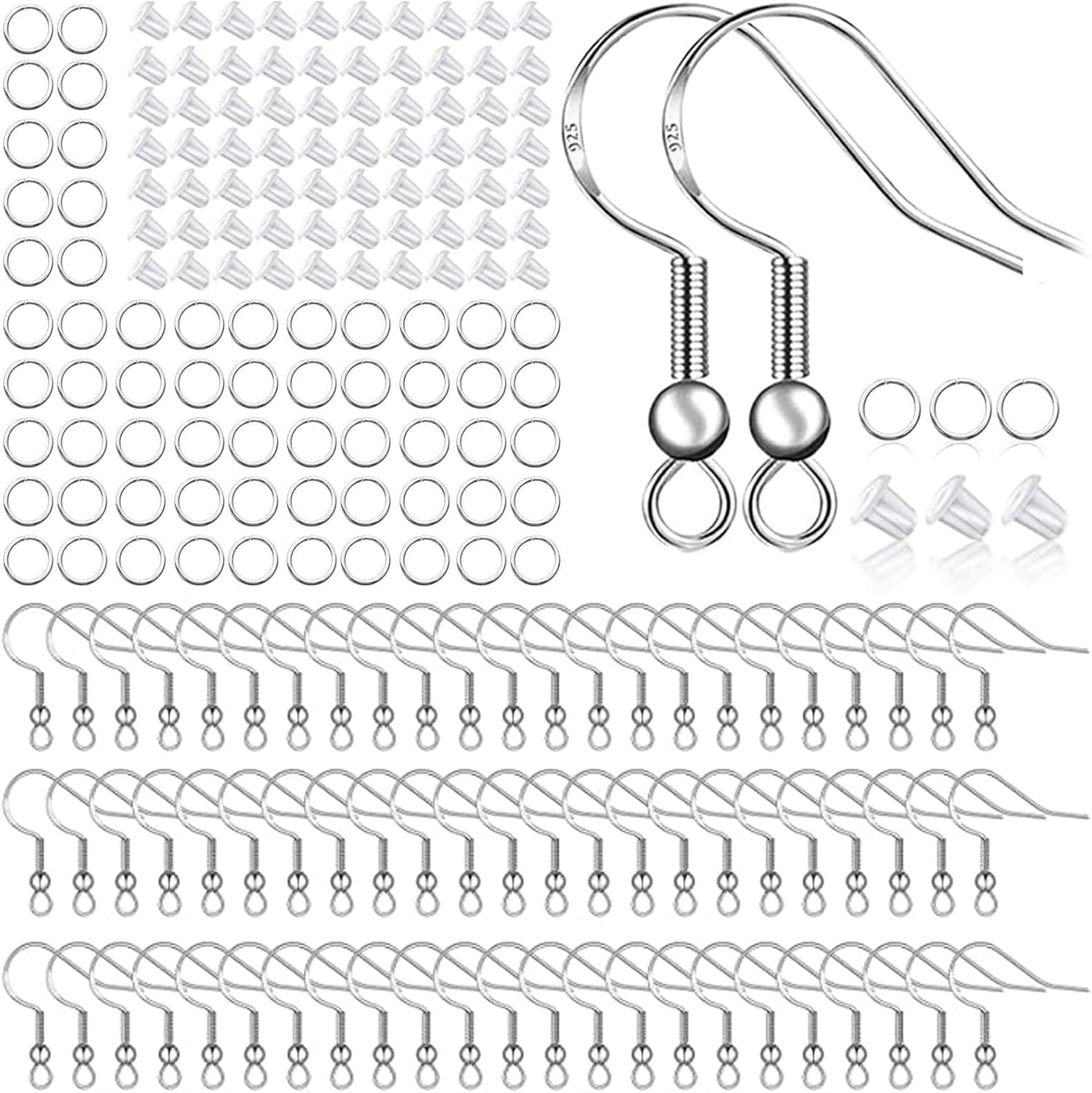
+ Jump rings included to link dangles quickly to each hook
From our guide: Best Earring Hooks for Handmade Earrings: Comfort and Quality Picks
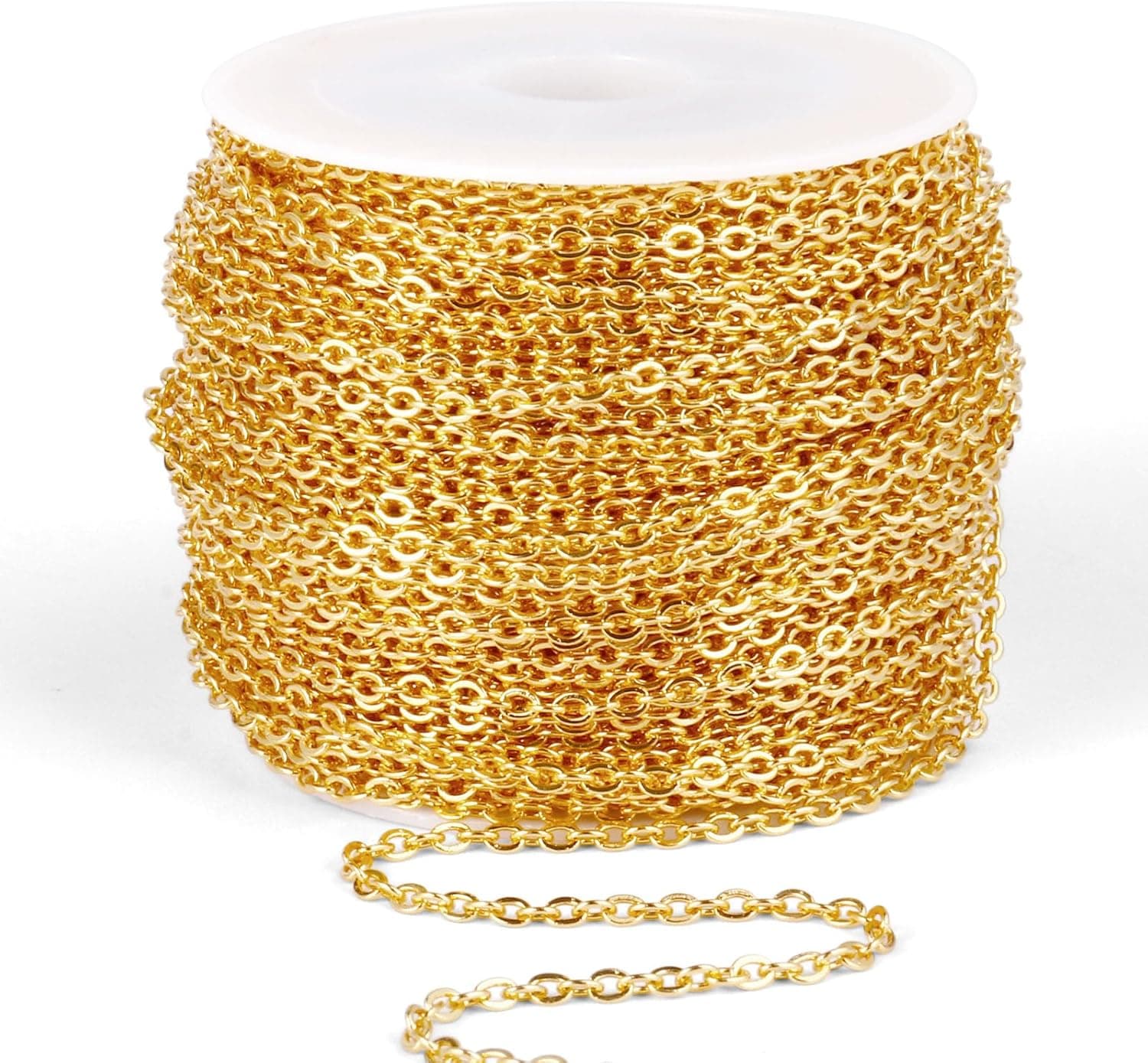
+ 304 stainless steel base resists rust and tarnish in daily wear
From our guide: Best Bulk Jewelry Chain for Handmade Designs
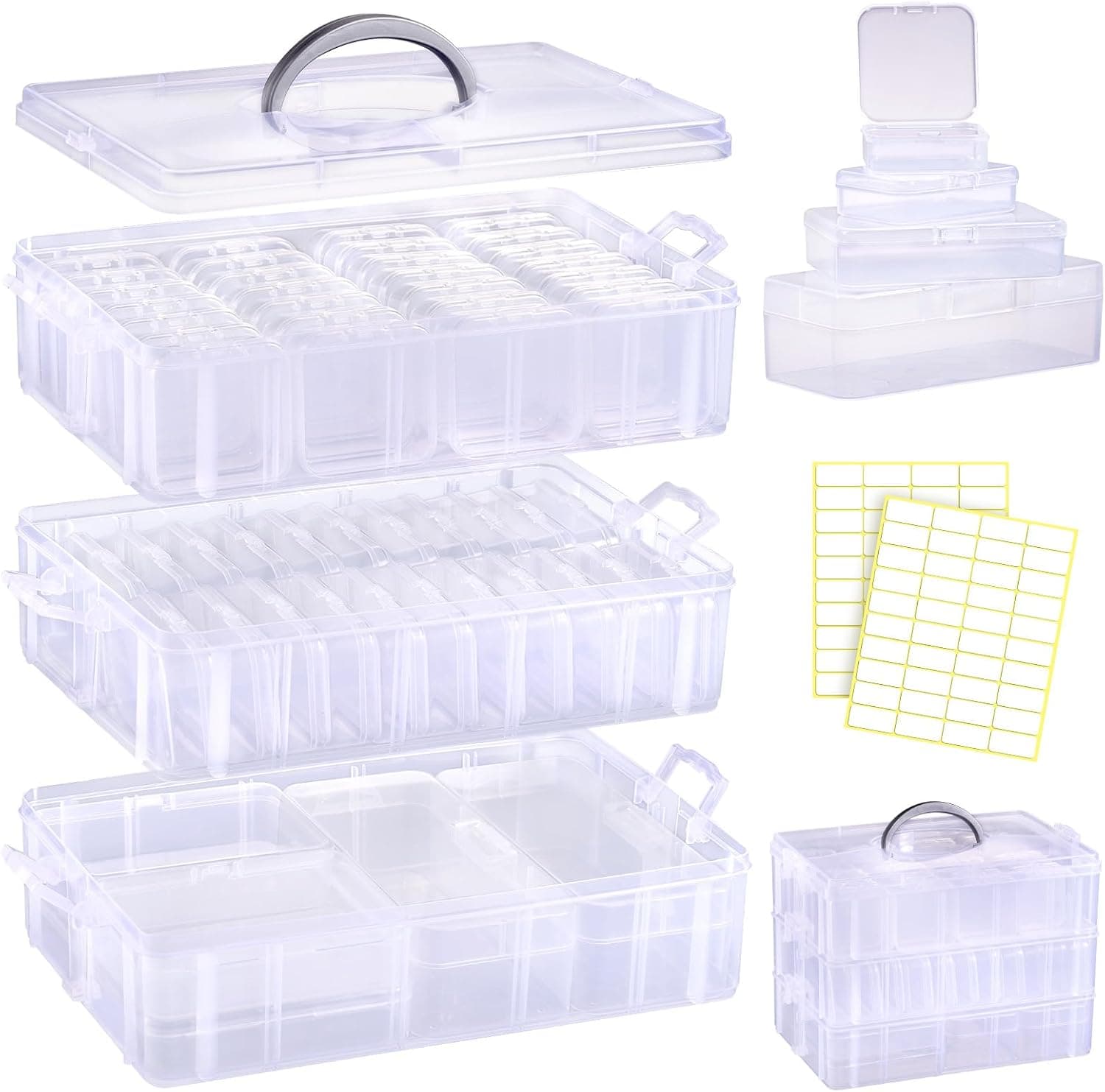
+ 56 containers store a big range of colors
From our guide: Best Bead Storage Containers for Small and Large Collections
+ 925 sterling silver suits people who react to base metals
From our guide: Best Earring Hooks for Handmade Earrings: Comfort and Quality Picks
Popular right now
- Charm Bracelet IdeasArticle
- Seed Bead Size ChartArticle
- Best Bead Mats to Keep Beads From Rolling AwayBuying guide
- Seed Bead BasicsArticle
- Memory Wire ProjectsArticle
- Choosing Beading WireArticle
Based on the last 28 days of search and visitor data.