Gemstone Bead Guide
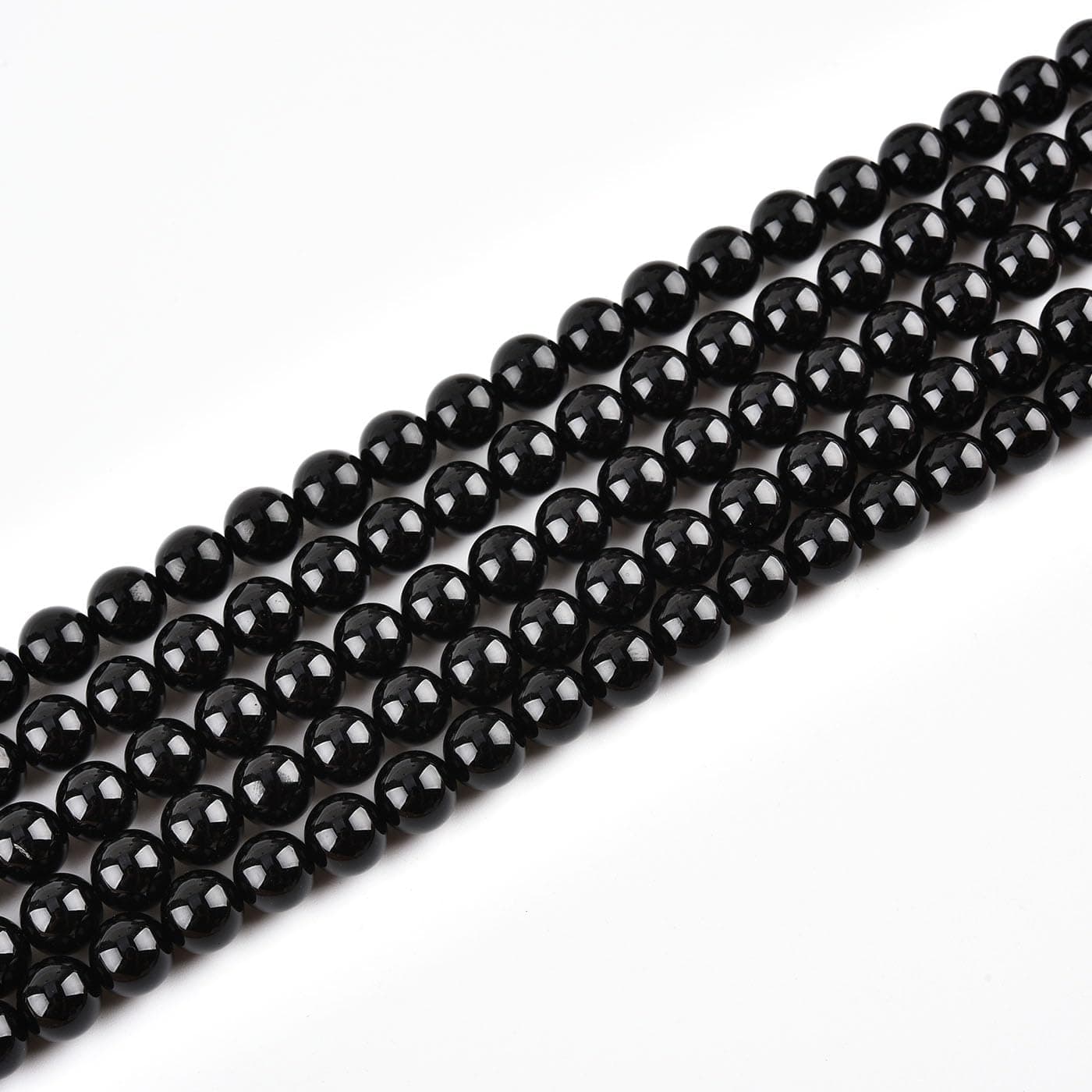
Gemstone beads bring color, weight, and a sense of substance that glass and acrylic cannot quite match, and they carry stories, geology, tradition, and the small thrill of wearing something the earth made. The market is enormous and unevenly honest, so a working knowledge of common stones, quality signals, and standard treatments turns shopping from a gamble into a pleasure. None of it requires a gemology course; a handful of principles covers most of what a jewelry maker needs.
Start with the dependable budget tier, stones that are abundant, durable, and inexpensive. Agates and jaspers offer endless patterns in every color. Amethyst, rose quartz, clear quartz, and citrine cover the quartz family with reliable beauty. Aventurine, sodalite, tiger eye, obsidian, and howlite round out a starter palette, with most of these available for a few dollars per strand. The middle tier includes labradorite with its blue flash, moonstone, garnet, lapis lazuli, malachite, and better amazonite. Premium territory means aquamarine, morganite, tourmaline, tanzanite, fine turquoise, and top-grade anything, where per-strand prices climb steeply and quality grading starts to matter in earnest. A design mixing one premium accent stone with budget-tier companions is the classic way to look expensive without spending it.
Judge a strand with a short checklist. Hold it up and sight along it: beads should be uniform in size and shape, with consistent color or an attractive deliberate variation. Check the drill holes, the most common defect zone, for chips, off-center drilling, and holes too tight for real stringing wire. Run the strand through your fingers feeling for cracks and rough spots. Color should look believable for the stone; nature produces variation, so sixteen inches of utterly identical, intensely saturated beads at a bargain price is itself a warning sign. Finally, weigh price against the stone's normal market: genuine lapis is not two dollars a strand, and real turquoise at glass-bead prices is almost certainly something else.
Treatments and imitations are everywhere, and the practical goal is knowing what you are buying, since many treatments are legitimate and openly disclosed. Dyeing is the most common: howlite becomes turquoise-blue, agate turns vivid purple, and dye can rub off or bleed on wet skin. Heat treatment deepens color in citrine, carnelian, and many others and is considered standard. Reconstituted stone is powder and resin pressed into beads, and glass masquerades under romantic trade names; any stone name containing quotes or the words opalite, goldstone, or cherry quartz is glass or man-made. Vendors who label treatments honestly are worth their slightly higher prices, and a quick web search of an unfamiliar trade name before buying is the cheapest protection there is.
Hardness shapes both design and care. The Mohs scale runs from talc at one to diamond at ten, and the practical dividing line for jewelry is around six or seven: quartzes and agates shrug off daily wear, while softer stones like malachite, fluorite, calcite, and pearl scratch and chip in rough service. Put soft stones in earrings and necklaces rather than bracelets, which lead a hard life against desks and door frames. String heavy stone strands on robust wire with strong clasps, and consider knotting between beads on premium strands to prevent stone-on-stone grinding. Store strands so stones do not scratch each other, which in practice means separate bags or compartments rather than a communal jumble.
Care is mostly restraint. Wipe stones with a soft damp cloth; avoid ultrasonic cleaners, harsh chemicals, and long sun exposure, which fades amethyst, rose quartz, and many dyed materials. Put jewelry on after perfume and lotion, not before. Buy from vendors who tell you the stone, its treatment, and its origin without being cornered, and keep those details with the strand. Over a few years of this, you will develop the quiet confidence of a maker who knows exactly what is on the bench, and your customers and gift recipients will inherit that confidence along with the jewelry.