Charm Bracelet Ideas
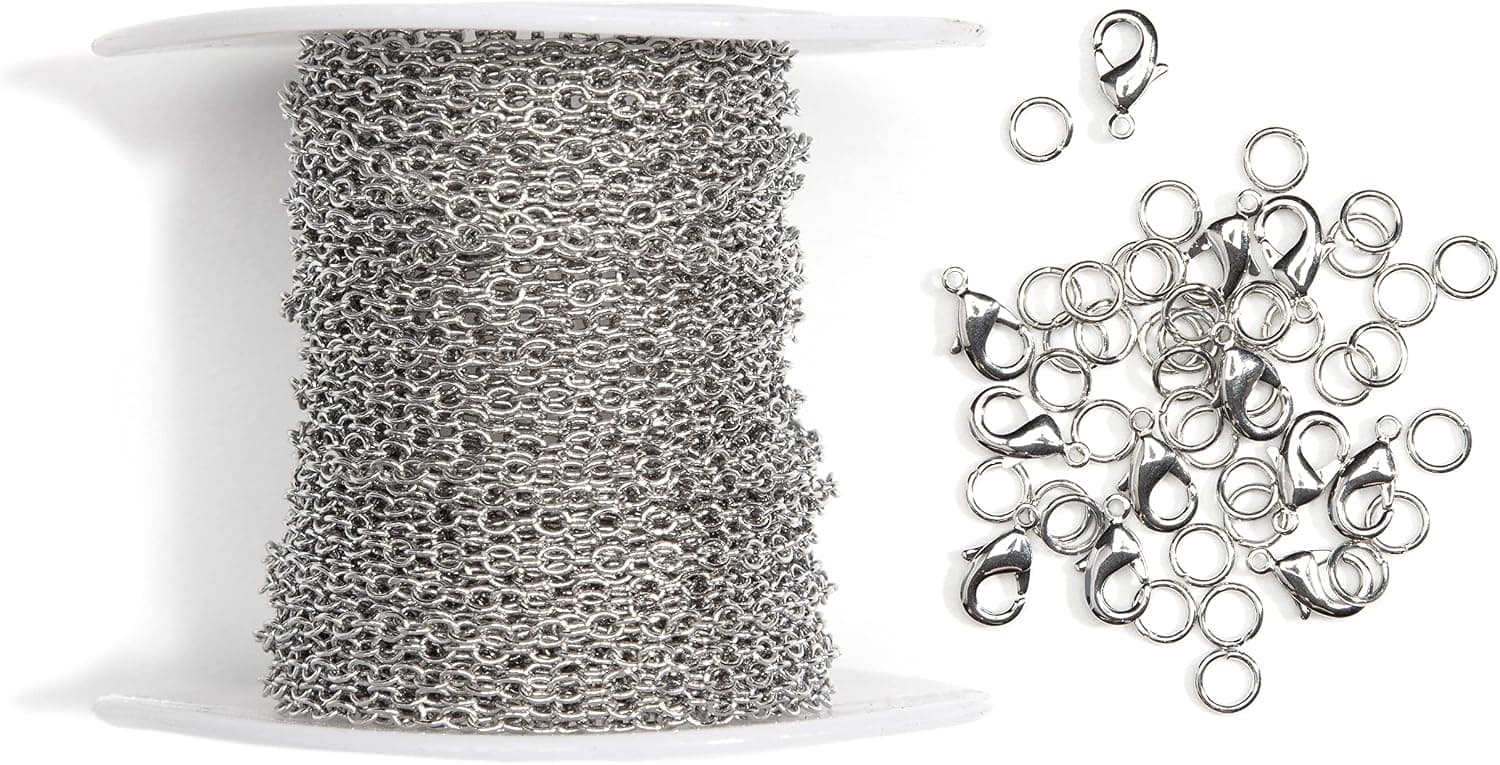
A charm bracelet starts with a base that can carry weight, a generous curb or cable chain, a beaded strand, or a bangle, fitted slightly loose because charms take up inner space. Hang every charm from a properly twisted-closed, work-hardened jump ring, or a split ring for anything sentimental. Space five to seven charms evenly for a modern look, and distribute weight around the circle so the bracelet does not spin heavy-side-down. Charm bracelets are storytelling jewelry. Every dangling element can mark a milestone, a place, a joke, or a person, which is why they become heirlooms more often than almost any other handmade piece. They are also technically friendly territory for makers: the core skills are jump rings and basic dangles, and the format forgives asymmetry and improvisation. What separates a charming bracelet from a noisy tangle is a little structure, in the base, the attachments, and the spacing.
Choosing the base
The base sets the character. A curb or cable chain with generous links is the classic foundation, easy to attach charms to and nicely drapey on the wrist; choose links thick enough to carry the eventual full load, because charm bracelets gain weight over years. A beaded strand base mixes charms with beads, with charms hung from jump rings between beads or from small loops built into the strand. Bangle bases, including beadable bangles with removable ends and expandable styles, give a more structured silhouette. Whatever the base, fit it slightly looser than a plain bracelet, since charms occupy inner space and a snug fit will press them into the wrist. A toggle or a sturdy lobster clasp finishes it, and the toggle doubles as a design feature at the front.
Attaching charms so they survive
Attachment technique decides whether charms survive. Every charm should hang from a properly closed jump ring, twisted open and shut so the ends meet flush, and then work-hardened with a few small back-and-forth flexes. For anything valuable or sentimental, use a split ring or a wrapped wire loop instead, because a charm bracelet lives an active life of snags and knocks. Orient charms so their faces show when the bracelet is worn, which often means adding a second small ring to turn a sideways-hanging charm ninety degrees. Bead dangles, a bead on a head pin with a wrapped loop, are the cheapest charms of all and let you extend a store-bought charm set with coordinated colors from your own stash.
Spacing and balance
Spacing and balance make the composition. A fully loaded bracelet with a charm at every link is a jingling statement; a sparse bracelet with five or seven charms spaced evenly reads as modern and lets each element breathe. Odd numbers usually compose better than even. Distribute weight around the circumference so the bracelet does not rotate heavy-side-down, which is the classic failure of one-big-charm designs; either center the hero charm at the toggle as a deliberate focal or counterweight it across the circle. Mixing charm sizes works best in a hierarchy, a few large, several medium, some small, and repeating one shape or metal throughout keeps variety from tipping into clutter. Lay the whole design out flat and hang it over your fingers before committing rings.
Theme ideas that make it an heirloom
Themes are where charm bracelets earn their emotional keep. Milestone bracelets grow over time, a charm per birthday, graduation, or achievement, and giving one deliberately unfinished, with a note promising future charms, is one of the great gift moves available to a jewelry maker. Travel bracelets collect a charm per trip. Hobby themes, gardening, music, sailing, baking, make deeply personal gifts assembled from inexpensive individual charms. Birthstone bracelets carry a crystal or gem dangle for each family member. Memory bracelets can incorporate a repurposed element, a button from a grandmother's coat, a single earring whose partner is lost, which transforms the bracelet into a keepsake no store could sell. Write the story down on a card when gifting; the explanation is half the present.
Maintenance and leaving room to grow
Maintenance and evolution are part of the format's charm. Check jump rings casually whenever the bracelet is off, snugging any that have shifted, and expect to re-close a ring now and then as normal upkeep rather than failure. Leave room, physically and in the design, for additions, since the best charm bracelets are never quite finished. For makers who sell, charm bracelets offer a rare follow-on business: customers return for new charms year after year, and offering an attach-it-for-free service turns each return into a conversation. Few products build customer relationships as naturally as jewelry designed to keep growing.
Frequently asked questions
How do I stop charms from falling off? Use a jump ring opened and closed with a sideways twist so the ends meet flush, then work-harden the joint with a few small flexes. For valuable charms, use a split ring or a wrapped wire loop instead.
How many charms should a bracelet have? A sparse bracelet of five or seven evenly spaced charms reads modern and lets each piece breathe, and odd numbers usually compose better than even. A charm at every link makes a jingling statement.
Why does my charm bracelet keep rotating so the charms hang underneath? Weight is unevenly distributed. Spread charms around the circumference, or deliberately center one hero charm at the toggle and counterweight it across the circle.
What chain is best for a charm bracelet? A curb or cable chain with links thick enough to carry the eventual full load, since charm bracelets gain weight over years.