How to Stop Beading Thread From Fraying and Breaking
Published How we research
Bead weaving projects can take hours, so thread that frays, splits or breaks halfway through is frustrating. Worse, a thread that snaps after a bracelet is finished can scatter beads everywhere. Thread problems usually come from choosing the wrong thread for the beads, sharp bead holes, repeated passes through tight beads or poor tension. The right materials and habits make projects far more durable.
Choose the right thread
Nylon beading threads are soft and flexible, making them popular for seed bead weaving, but they can fray with heavy use. Braided threads made from materials such as polyethylene resist fraying and cutting better, especially with crystals and glass beads with sharp edges.
Match thread thickness to bead size and the number of passes needed. Thread that is too thick makes later passes difficult, while thread that is too thin may not be strong enough.
Watch for sharp beads
Crystals, bugle beads and some glass beads have sharp hole edges that cut thread over time. Bugle beads are known for cutting thread, especially when placed at points of tension.
Place small seed beads on either side of bugle beads to protect the thread. Use braided thread or beading wire for designs with lots of sharp beads.
Use the right needle
Beading needles that are too thick force thread through tight holes, abrading it. Match needle size to bead size, and switch to a thinner needle when bead holes fill up.
Avoid forcing needles through beads that are already full, which can crack beads and split thread. If a bead is too full, change the thread path or bead size.
Condition thread
Thread conditioner or beeswax helps reduce fraying, tangling and static. Pull thread through the conditioner, then run it between your fingers to remove excess.
Some synthetic conditioners also reduce thread memory and help thread lie flat. Condition before starting and whenever thread begins to fuzz.
Manage thread length and tension
Very long thread lengths are pulled through beads many times, which wears them. Work with a manageable length, often an arm's span, and add new thread when needed.
Consistent, moderate tension keeps work neat without overstraining thread. Avoid yanking thread tightly, especially with delicate beads.
Finish securely
Weave thread ends back through several beads, tie small knots between beads and weave further before trimming. Secure knots with a small amount of jewelry glue if appropriate.
Trim thread close without cutting working threads. Test finished pieces gently by flexing them before gifting or selling.
Products from this article
The highest-scoring picks from the buying guides mentioned above. Scores are our editorial assessment, not customer ratings.
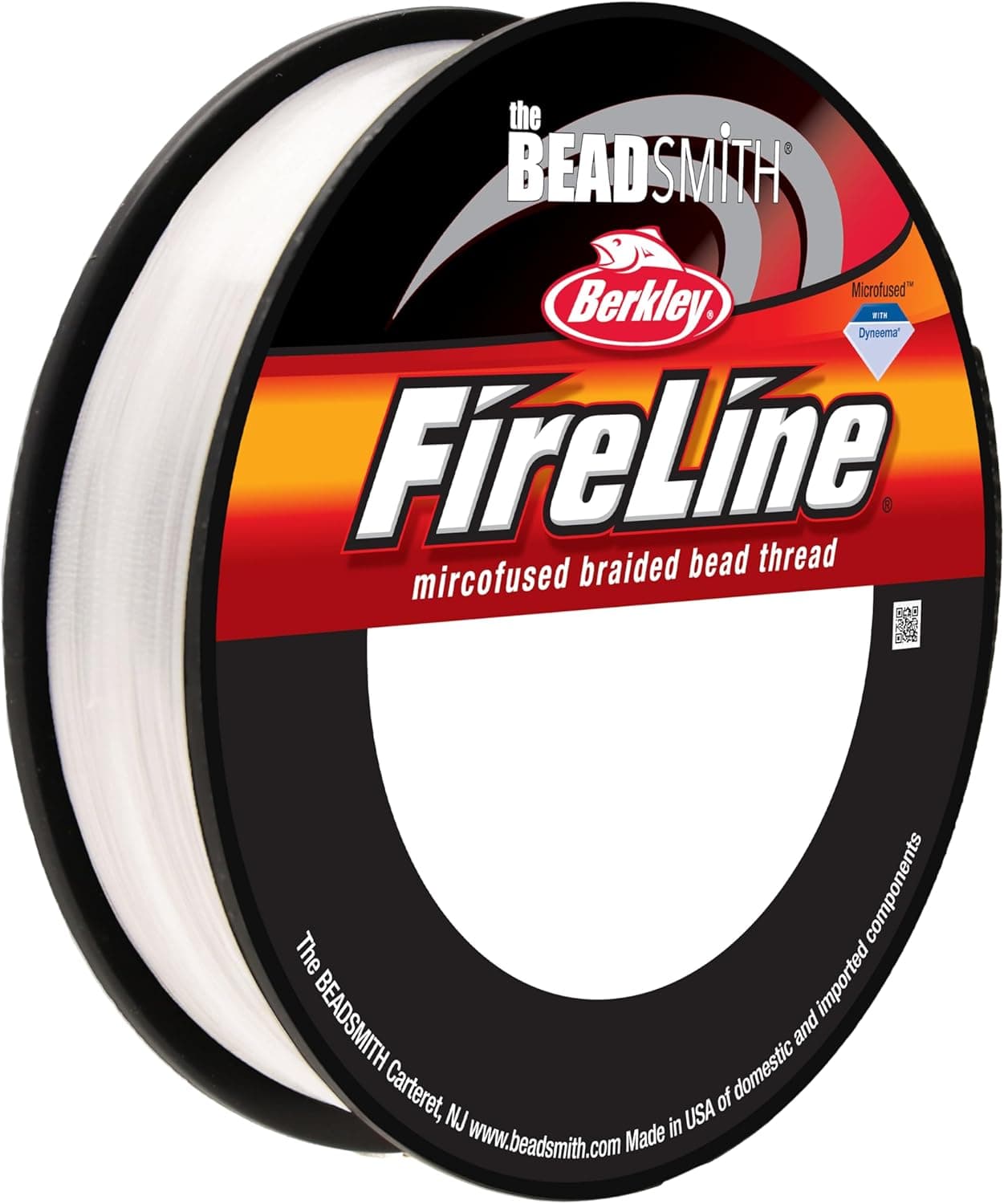
+ Micro-fused braided line resists fraying from sharp crystal edges
From our guide: Best Beading Thread for Weaving and Embroidery
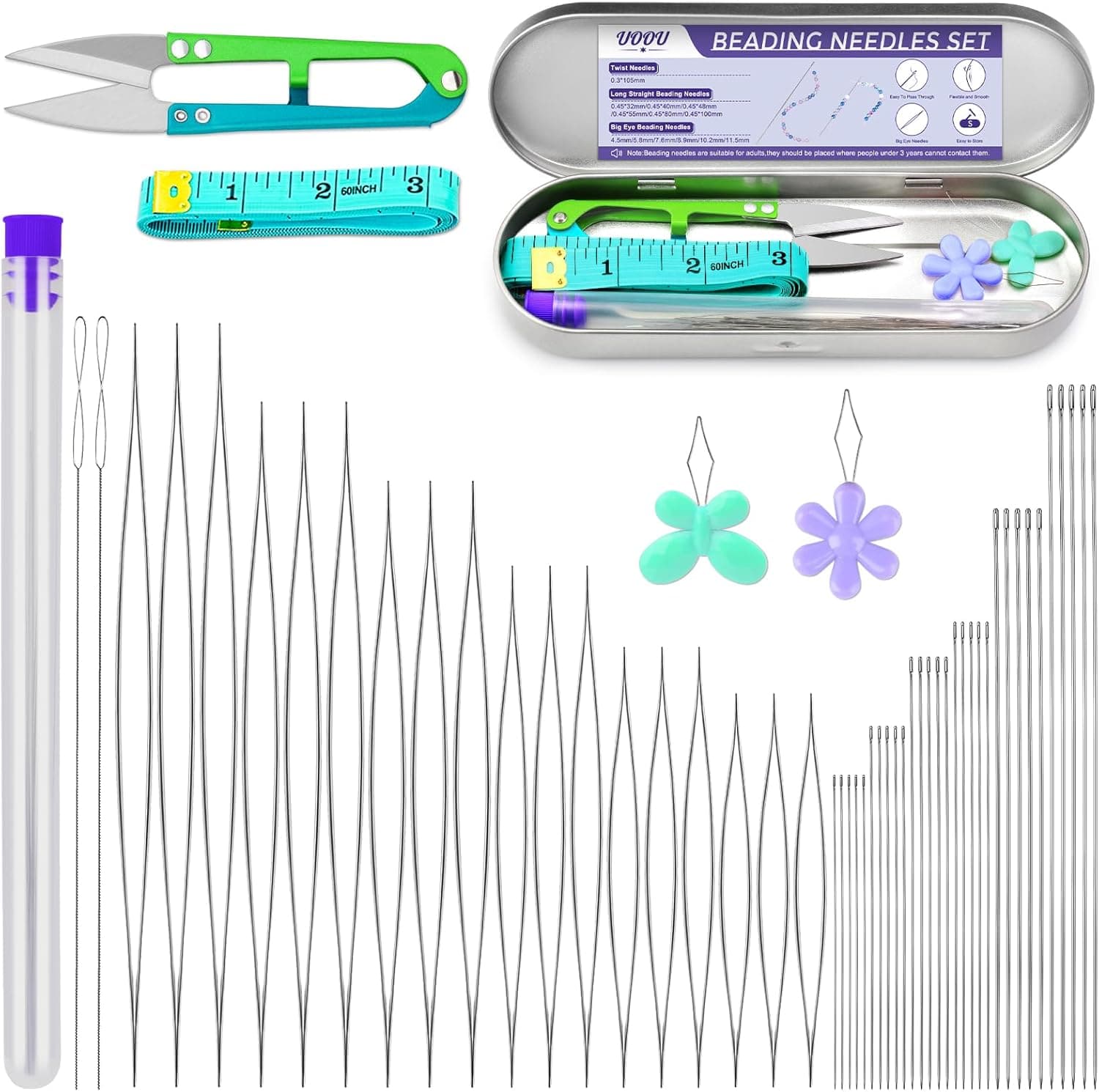
+ Three needle styles cover stitching, stringing and silk cord
From our guide: Best Beading Needles for Seed Beads and Bead Weaving
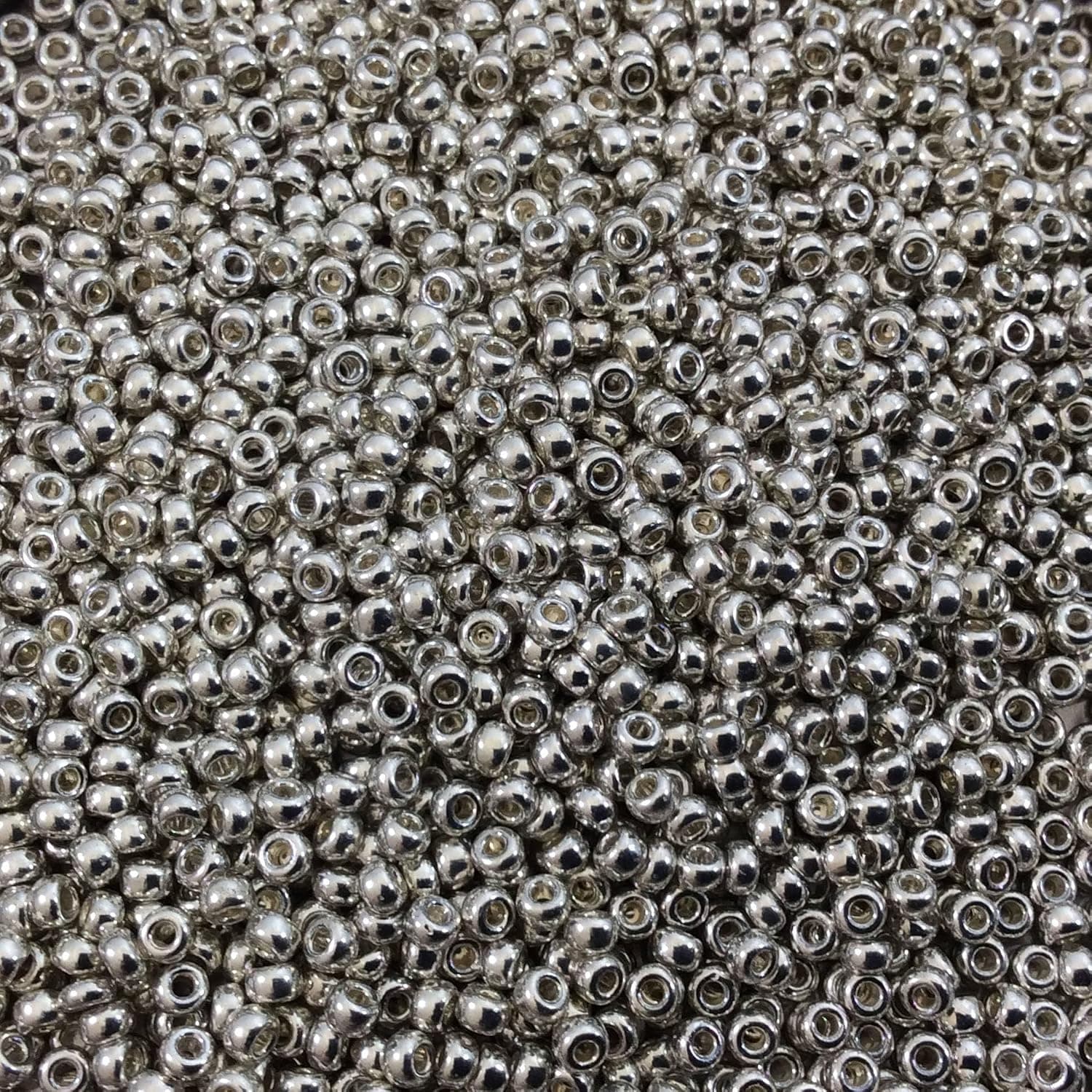
+ Miyuki rounds are known for uniform size, ideal for tight stitches
From our guide: Best Seed Beads for Beading Projects
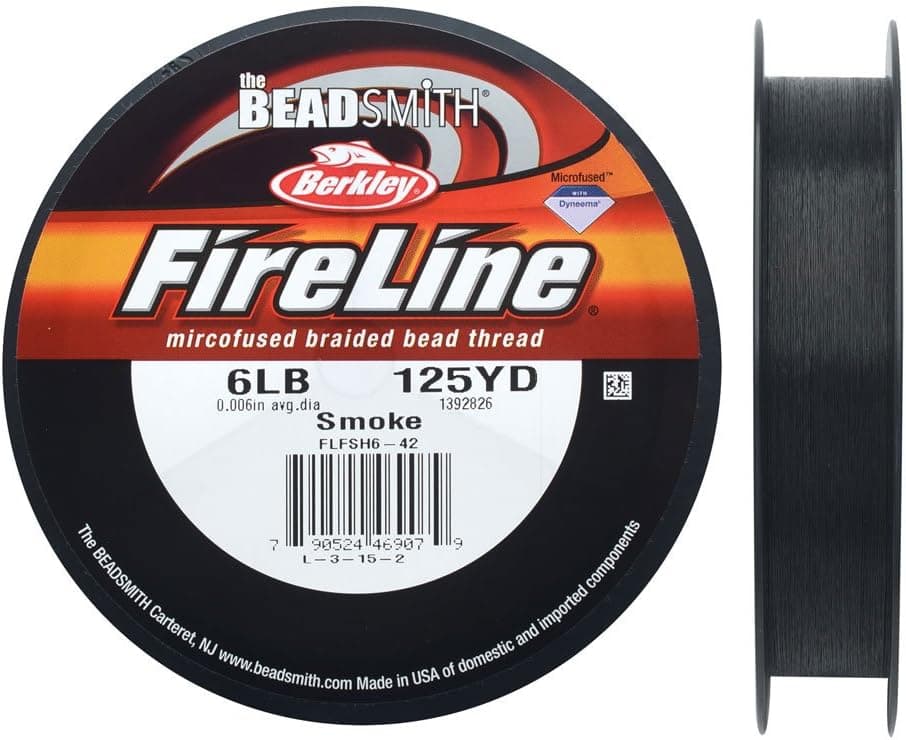
+ 6 LB test gives extra strength for bead embroidery and weaving
From our guide: Best Beading Thread for Weaving and Embroidery
Popular right now
- Charm Bracelet IdeasArticle
- Seed Bead Size ChartArticle
- Best Bead Mats to Keep Beads From Rolling AwayBuying guide
- Seed Bead BasicsArticle
- Memory Wire ProjectsArticle
- Choosing Beading WireArticle
Based on the last 28 days of search and visitor data.