Bead Size Chart in mm: How Many Beads Per Inch, Bracelet and Strand
Published How we research
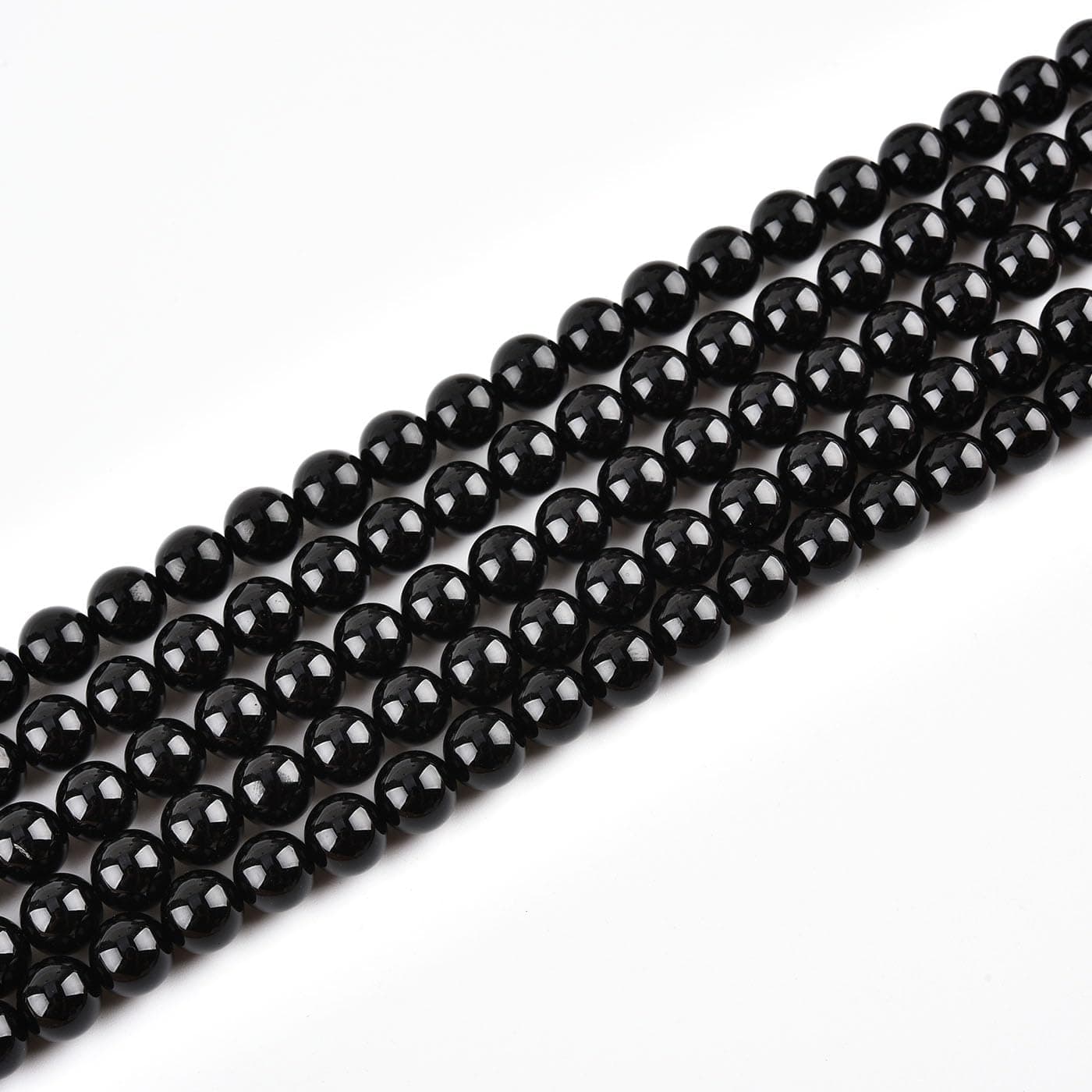
Round beads are sized by diameter in millimeters, and the count per inch is simply 25.4 divided by the bead size: about 6 beads per inch at 4mm, 4 at 6mm, 3 at 8mm and 2.5 at 10mm. A 7 inch bracelet takes roughly 45 beads at 4mm, 30 at 6mm, 22 at 8mm or 18 at 10mm. The chart below lists every common size from 2mm to 14mm with counts for bracelets, necklaces and 16 inch strands, then covers hole sizes, which cord or wire fits, and how to adjust the count for clasps and bead thickness. Seed beads use a different numbering system; for aught sizes such as 11/0 and 8/0, see our seed bead size chart.
How bead sizes are measured
Bead size is the diameter measured across the bead, at a right angle to the hole, in millimeters. For a round bead the diameter and the length along the hole are the same, which is why round beads are the easiest to plan with. For rondelles, discs, tubes and chips, sellers usually give two numbers, such as 8x5mm: the first is the width across the bead and the second is the length along the hole. The second number is the one that decides how many beads fit on a strand.
To convert, 1 inch equals 25.4mm, so beads per inch is 25.4 divided by the length of the bead along the hole. Real strands come out a bead or two different from the math because stated sizes are nominal: a bead sold as 8mm can measure a few tenths of a millimeter over or under, and natural stone varies more than machine-made glass or crystal. Treat every number in the chart as a planning figure and keep a few spare beads on hand before you cut the cord.
Bead size chart: 2mm to 14mm
2mm: about 12.7 beads per inch. Roughly 89 beads for a 7 inch bracelet, 203 for a 16 inch strand and 229 for an 18 inch necklace. This is about the size of an 11/0 seed bead, used mostly as a spacer or for very fine, delicate strands.
3mm: about 8.5 beads per inch. Roughly 59 beads for a 7 inch bracelet, 135 for 16 inches and 152 for 18 inches. Common for small crystals, pearls and metal spacers, and close in size to an 8/0 seed bead.
4mm: about 6.4 beads per inch. Roughly 44 to 45 beads for a 7 inch bracelet, 102 for 16 inches and 114 for 18 inches. Popular for dainty gemstone bracelets and as a spacer between 8mm beads.
6mm: about 4.2 beads per inch. Roughly 30 beads for a 7 inch bracelet, 68 for 16 inches and 76 for 18 inches. A versatile middle size that works in bracelets, earrings and necklaces alike.
8mm: about 3.2 beads per inch. Roughly 22 beads for a 7 inch bracelet, 51 for 16 inches and 57 for 18 inches. The standard size for stretch gemstone bracelets and mala-style strands.
10mm: about 2.5 beads per inch. Roughly 18 beads for a 7 inch bracelet, 41 for 16 inches and 46 for 18 inches. A bold size often chosen for men's bracelets and statement necklaces.
12mm: about 2.1 beads per inch. Roughly 15 beads for a 7 inch bracelet, 34 for 16 inches and 38 for 18 inches. Heavy in stone or glass, so it needs strong cord or thicker beading wire.
14mm: about 1.8 beads per inch. Roughly 13 beads for a 7 inch bracelet, 29 for 16 inches and 33 for 18 inches. Mostly used as focal beads or in chunky necklaces rather than in full bracelets.
Loose beads are often sold on temporary strands of about 15 to 16 inches rather than a full 16. At 15 inches a strand holds about 95 beads at 4mm, 63 at 6mm, 48 at 8mm and 38 at 10mm, so one strand of 8mm beads makes two 7 inch bracelets with a few beads to spare.
How many beads for a bracelet
Measure the wrist snugly, then add ease. For 4mm to 6mm beads add about half an inch, for 8mm beads add about three quarters of an inch, and for 10mm and 12mm beads add a full inch or slightly more. Larger beads need more ease because the cord runs through the middle of the beads, not along their inside edge, so the inner circumference of the bracelet shrinks as bead diameter grows.
For a stretch bracelet the whole length is beads, so divide the finished length in millimeters by the bead size. A 7.25 inch bracelet in 8mm beads is 184mm divided by 8, which is 23 beads. For a strung bracelet with a clasp, subtract the clasp first: a lobster clasp with its jump rings and crimps typically takes up between half an inch and an inch, so measure your actual clasp assembly and fill only the remaining length with beads.
As a rough guide, finished bracelets of about 7 inches fit many women and about 8 inches fit many men, but wrists vary enough that measuring always beats guessing. If you make bracelets to sell, state the finished length in the listing so buyers can compare it with their own wrist.
Hole sizes and what fits through them
Hole size matters as much as bead size, and it is not standardized. As a general pattern, glass and gemstone rounds from 4mm to 6mm have holes of roughly 0.6 to 1mm, and 8mm to 12mm rounds have holes of about 1 to 1.5mm. Freshwater pearls and many faceted gemstones are drilled smaller, often around 0.5 to 0.8mm. Wooden beads and beads sold as large-hole or European style are far bigger, from about 2mm up to 4 or 5mm, to take leather and thick cord. Check the listing, or test-fit a piece of wire of known diameter.
Match the stringing material to the smallest hole in the design. For stretch bracelets, 0.5mm elastic suits 4mm beads and small holes, 0.7 to 0.8mm is the everyday choice for 6mm and 8mm beads, and 1mm elastic is for 8mm and larger beads with holes that allow it. For beading wire, .014 or .015 inch passes through pearls and small-hole stones, .018 or .019 inch is the general-purpose diameter for 6mm to 8mm beads, and .024 inch is for heavy beads with generous holes. When only a few beads in a strand have tight holes, a bead reamer opens them faster than changing the whole stringing plan.
Planning necklaces and mixed patterns
Common necklace lengths are 16 inches, which sits at the base of the neck on most adults, 18 inches, the most common everyday length, 20 to 24 inches, which falls between the collarbone and the bust line, and 30 inches or more for long strands that slip over the head. Use the chart counts for the beaded portion only, then subtract the clasp length just as you would for a bracelet.
Mixed designs are easier to plan in millimeters than in bead counts. Add up one repeat of the pattern, for example an 8mm round, a 3mm spacer, a 6mm round and another 3mm spacer for 20mm per repeat, then divide the target length by the repeat. An 18 inch necklace with a 1 inch clasp section has 17 inches, or about 432mm, of beads, which is 21 full repeats with 12mm left over to balance at the ends. A bead board with a measured channel lets you check the layout before you string anything.
Other shapes: rondelles, heishi, bicones and chips
Rondelles are counted by their thickness along the hole, not their diameter. An 8x5mm rondelle strings at about 5 beads per inch, not 3. Clay heishi discs are typically 6mm across and about 1mm thick, so a 7 inch bracelet takes roughly 170 to 180 discs, which is why they are sold by the strand or by the thousand. Bicones are measured along the hole from point to point, so a 4mm bicone strings like a 4mm round, although the tapered ends nest slightly when the strand curves. Chip beads are irregular, so plan them by strand length instead of by count.
Frequently asked questions
How many 8mm beads do I need for a bracelet? About 22 beads for a 7 inch bracelet and 25 for an 8 inch bracelet. Divide the finished length in millimeters by 8, and buy a few spares because stone beads vary slightly in size.
How many beads are on a 16 inch strand? About 102 beads at 4mm, 68 at 6mm, 51 at 8mm, 41 at 10mm and 34 at 12mm. Many strands are sold at 15 to 15.5 inches, so expect a few beads fewer than these counts.
What size beads are best for bracelets? 6mm and 8mm are the most popular because they are easy to string and comfortable on the wrist. 4mm makes a dainty bracelet, and 10mm or larger gives a bold look that suits larger wrists.
Is bead size the same as seed bead size? No. Seed beads use aught sizes such as 11/0, where a bigger number means a smaller bead. An 11/0 seed bead is about 2mm, an 8/0 is about 3mm and a 6/0 is about 4mm.
Products from this article
The highest-scoring picks from the buying guides mentioned above. Scores are our editorial assessment, not customer ratings.
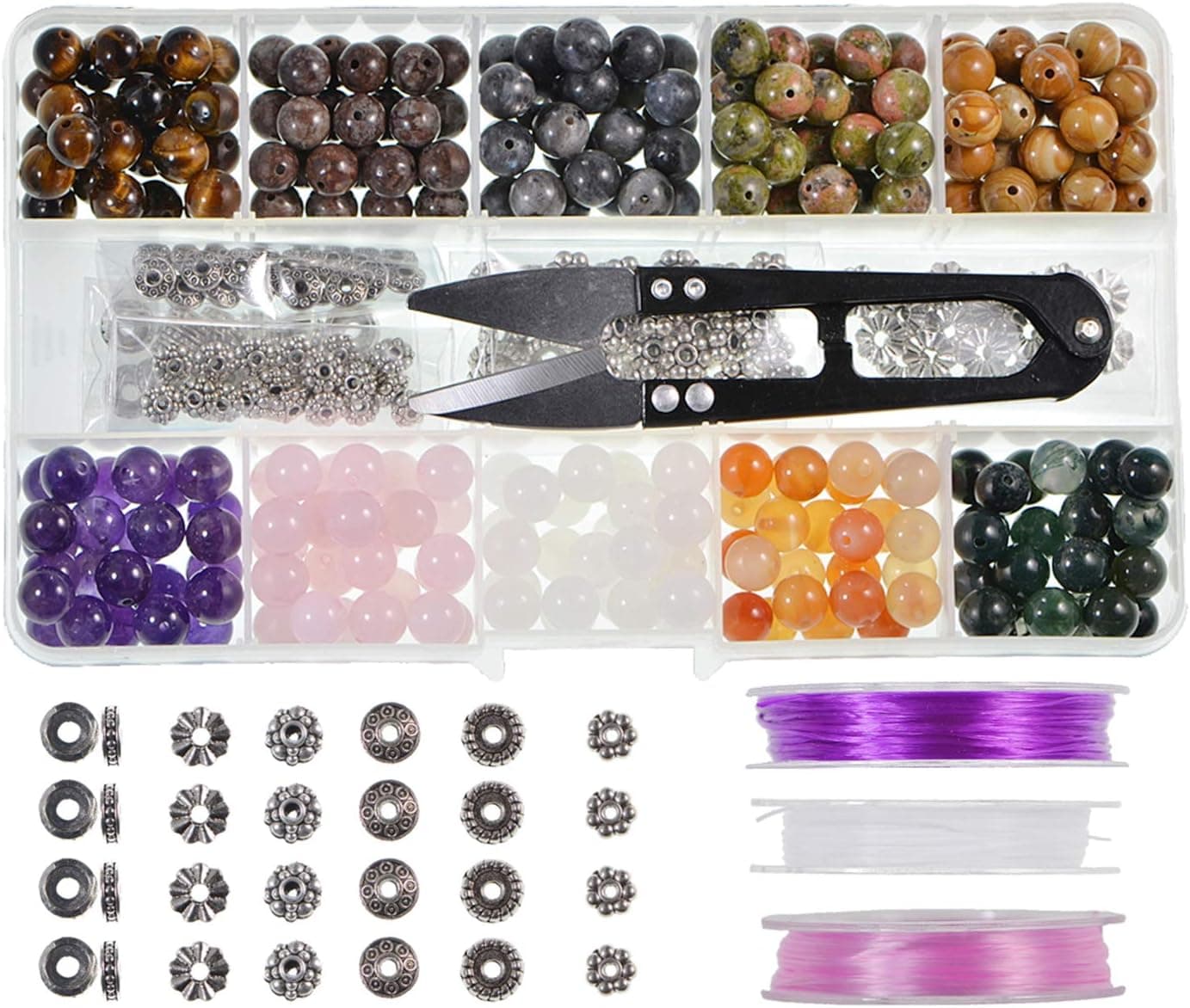
+ Five named stones make it clear exactly what you are getting
From our guide: Best Gemstone Beads for Jewelry Making
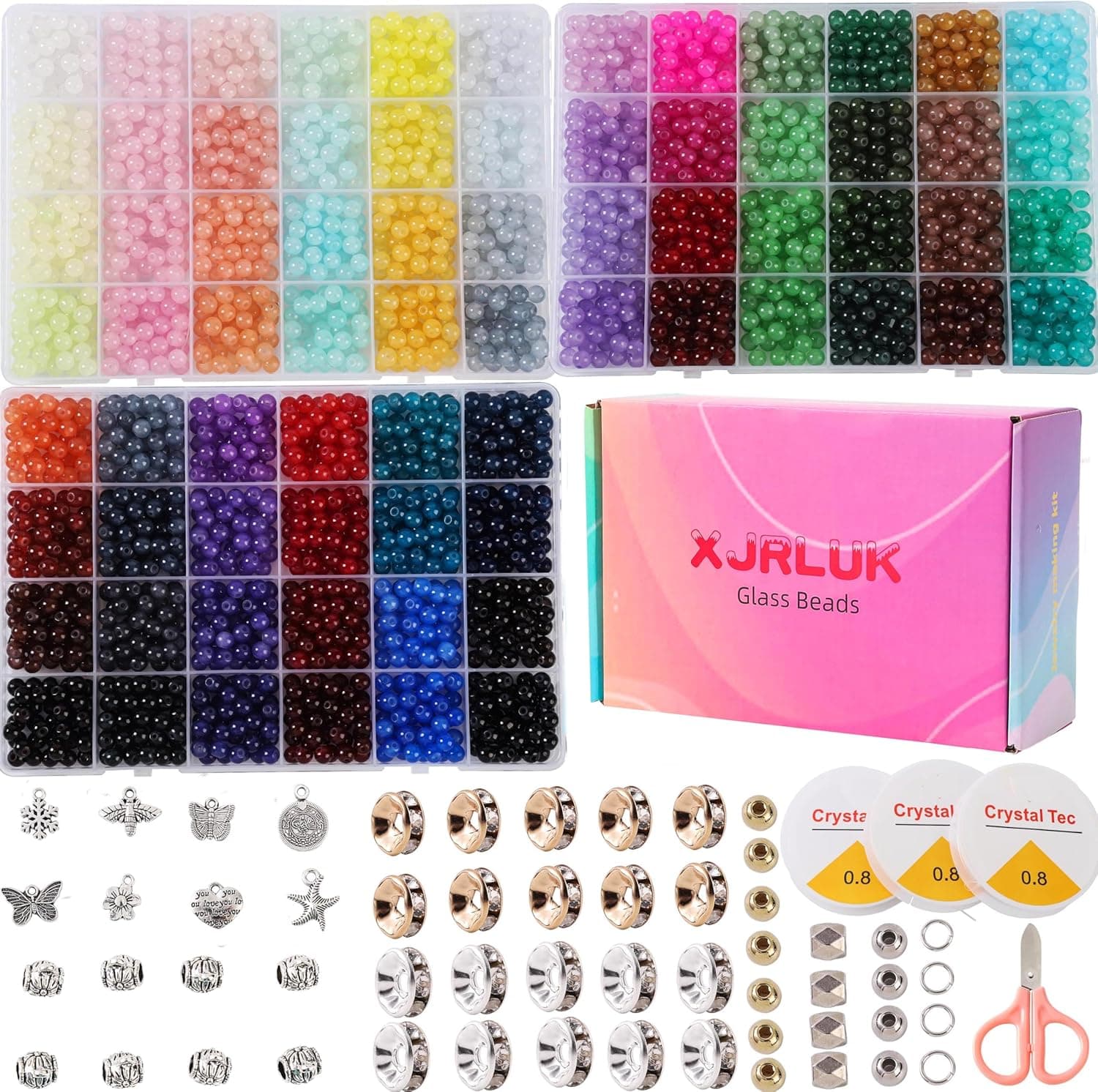
+ 72 colors is one of the widest palettes among glass bead kits
From our guide: Best Glass Beads for Jewelry Making
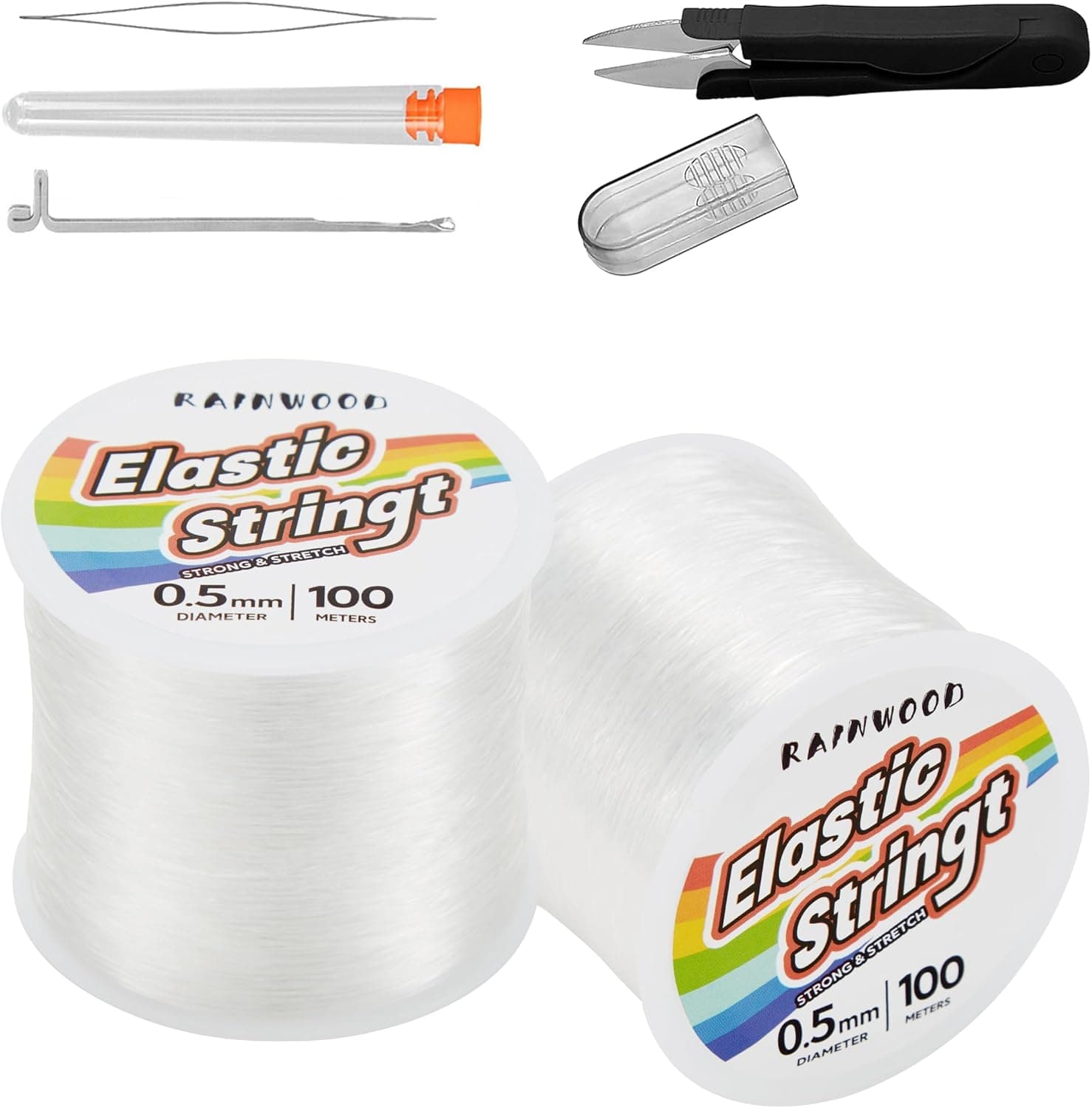
+ Clear 0.5mm cord disappears inside translucent and seed bead designs
From our guide: Best Elastic Cord for Stretch Bracelets
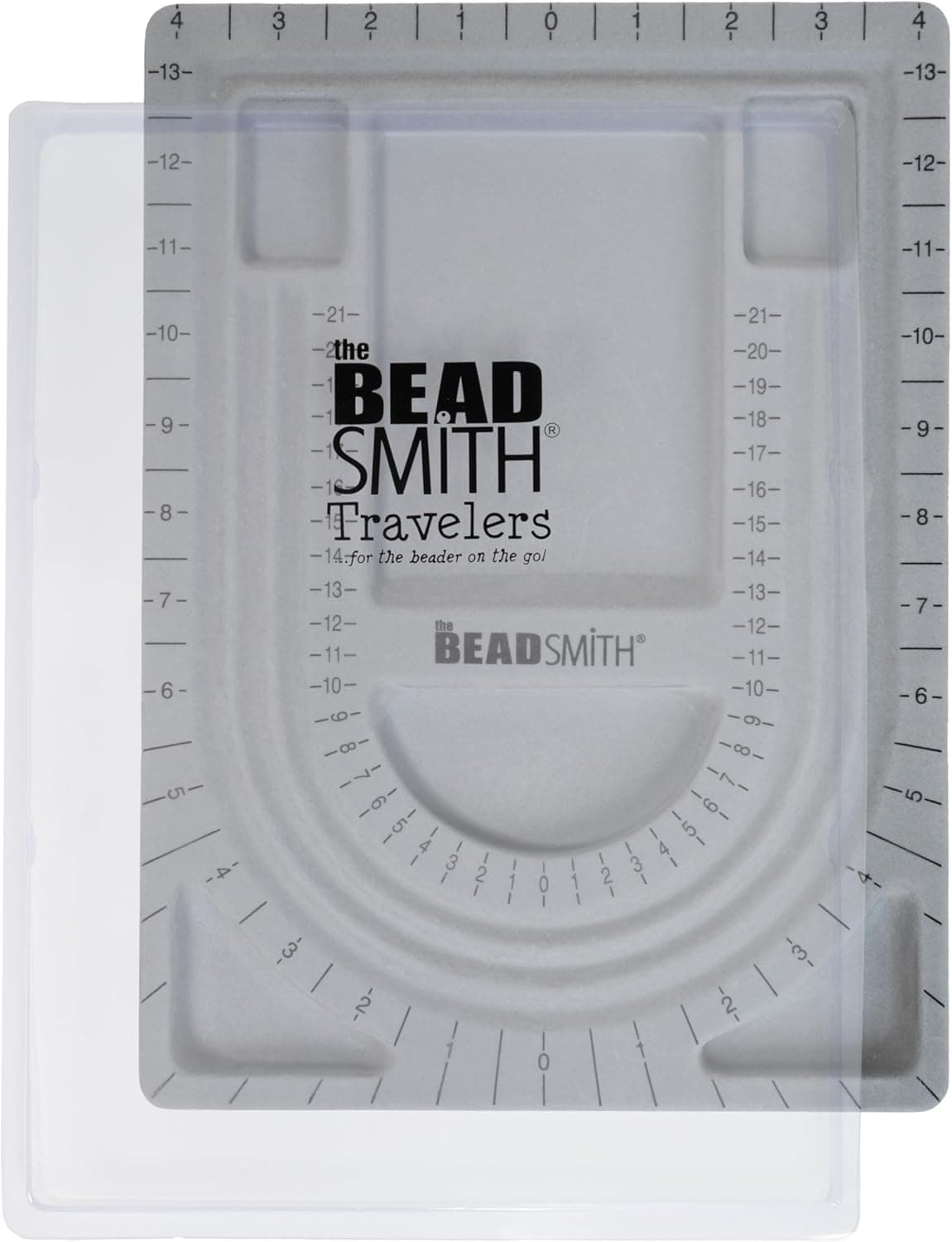
+ Cover protects work in progress from dust and spills
From our guide: Best Bead Boards for Designing Necklaces and Bracelets
Popular right now
- Seed Bead Size ChartArticle
- Choosing Beading WireArticle
- Best Bead Reamers for Enlarging and Smoothing Bead HolesBuying guide
- Best Bead Spinners for Fast Seed Bead StringingBuying guide
- Best Crimp Beads and Crimp Tubes for Secure BeadingBuying guide
- Making Jewelry to SellArticle
Based on the last 28 days of search and visitor data.